Why Is My Rabbit Staying In One Place? (11 Reasons Behind)
Your rabbit may be staying in one place due to feeling comfortable, resting, or simply enjoying its surroundings. Additionally, it might be feeling unwell or experiencing pain, prompting it to stay put.
Rabbits are known for their lively and curious nature, making it alarming for rabbit owners when their furry companions exhibit unusual behaviors. Such as staying in one place for extended periods.
In this article, we’ll note down various reasons why is my rabbit staying in one place and how to address it effectively.
Is It Normal for Rabbits to Sit in One Spot?

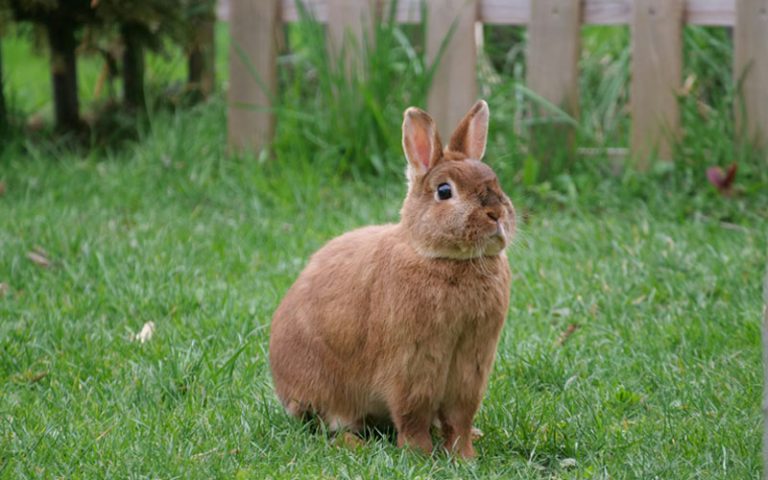
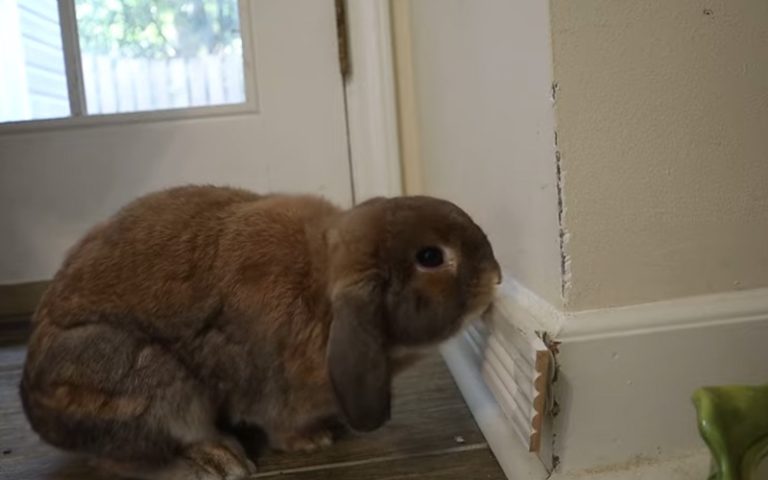
It is normal for rabbits to sit in one spot. Rabbits are known for their calm and relaxed behavior, and they often spend a significant amount of time sitting or lying down, especially when they feel safe and content in their environment. Sitting in one spot may be a sign that your rabbit is comfortable, resting, or simply observing its surroundings.
Why Is My Rabbit Staying in One Place? – 11 Reasons Behind!
If you’ve noticed your furry friend planted in one spot, ears alert but motionless, you might be wondering why your rabbit seems unusually stationary. Rabbits are generally known for their energetic and curious nature, so a sudden behavior change can be concerning.
Let’s explore the 11 reasons why is my rabbit staying in one place, shedding light on potential causes and what you can do to ensure your bunny’s perfect health.
1. Health Concerns
One of the primary reasons your rabbit might be stationary is health-related. Rabbits are masters at hiding signs of illness, so any deviation from their usual behavior should be taken seriously. Common health issues include dental problems, gastrointestinal troubles, or infections. Dental issues can make eating painful, leading to decreased activity. Gastrointestinal problems may cause discomfort, leading your rabbit to stay put.
2. Stress and Anxiety
Rabbits are sensitive creatures, and environmental changes or stressors can significantly impact their behavior. If there have been recent alterations in their surroundings, such as a new pet, loud noises, or a change in routine, your rabbit may feel stressed or anxious. Rabbits can be easily overwhelmed, and finding a quiet, secure space can be their way of coping.
3. Loneliness or Boredom
Rabbits are social animals and thrive on companionship. If your rabbit is alone for extended periods, they may become lonely or bored. Loneliness can lead to depression in rabbits, affecting their activity levels.
4. Temperature and Environment
Rabbits are sensitive to extreme temperatures. If it’s too hot or too cold, your rabbit may choose to stay in one place to regulate their body temperature.
5. Pain or Discomfort
Unseen injuries or pain can cause a rabbit to stay immobile. Check for any signs of injury, swelling, or tenderness. If your rabbit is favoring one leg or refusing to move, it could be an indication of pain.
6. Aging
As rabbits age, their activity levels may naturally decrease. Older rabbits may choose to rest more, and their mobility might be limited. Keep an eye on any significant changes in behavior, appetite, or weight, as these can indicate age-related issues.
7. Fear or Predatory Threats
Rabbits have a strong instinct for self-preservation. If they sense a potential threat, they may freeze in place to avoid detection. Even if kept indoors, rabbits can pick up on external sounds or vibrations that trigger fear responses.
8. Hormonal Changes
Unspayed or unneutered rabbits may exhibit changes in behavior due to hormonal fluctuations. Female rabbits, in particular, can become more territorial or aggressive during certain periods.
9. Environmental Changes
Rabbits thrive on routine and familiarity. Any sudden changes in their environment, such as rearranging furniture or moving to a new home, can be disorienting for them.
10. Dental Problems
Dental issues are common in rabbits and can lead to discomfort or pain while eating. If your rabbit is experiencing dental problems, they may choose to stay in one place to minimize any additional discomfort.
11. Behavioral Issues
Sometimes, rabbits exhibit unusual behavior due to behavioral issues. This could include litter box problems, territorial behavior, or aggression.
What Should I Do If My Rabbit Sitting in One Place?

If your rabbit is sitting in one place for an extended period, there are several potential reasons for this behavior. Here are nine (9) steps you can take to address the situation:
- Observe for Signs of Discomfort or Pain: Check for any signs of discomfort or pain, such as limping, unusual postures, or sensitivity when touched. If you notice anything concerning, it’s important to consult with a veterinarian as soon as possible.
- Monitor Eating and Drinking Habits: Ensure that your rabbit is eating and drinking normally. Changes in appetite or water consumption can be indicative of health issues. If you observe any abnormalities, consult with a vet.
- Provide a Comfortable Environment: Make sure your rabbit’s living environment is comfortable and safe. Ensure that the temperature is suitable and that there are no drafts. Provide a cozy hiding place and soft bedding for your rabbit.
- Check for Potential Stressors: Rabbits can be sensitive to changes in their environment or routine. Consider any recent changes, such as a new pet, a move, or changes in their living space. Try to minimize stressors and provide a calm and familiar environment.
- Interaction and Bonding: Spend some time with your rabbit, offering gentle petting and talking to them softly. Rabbits are social animals, and they may become more active with positive interaction.
- Encourage Exercise: If your rabbit seems physically healthy but sedentary, encourage exercise. Provide toys and create a safe play area where your rabbit can move around. Make sure there are opportunities for exploration and mental stimulation.
- Regular Veterinary Check-ups: Schedule regular check-ups with a rabbit-savvy veterinarian. Prevention and early detection of health issues are crucial for your rabbit’s well-being.
- Consider Age and Behavior: If your rabbit is older, they may naturally become less active. However, any sudden changes in behavior should still be investigated. Some rabbits may also have more relaxed personalities.
- Consult with a Veterinarian: If your rabbit’s behavior persists or if you’re concerned about their well-being, consult with a veterinarian. They can conduct a thorough examination and guide any necessary interventions.
FAQ
Dental problems can cause your rabbit to stay still. When rabbits have toothaches or other dental issues, they may be in too much pain to move around. This discomfort can make them reluctant to eat, play, or move normally.
To create an engaging space for your rabbit, set up a variety of toys like tunnels and chew blocks. Offer different textures for them to explore, like grass mats or cardboard boxes. Rotate toys regularly to keep things interesting. Provide ample space for hopping and running, and ensure plenty of fresh hay and water. Lastly, spend time interacting with your rabbit daily to keep them mentally stimulated.
It’s common for rabbits to become less active as they get older. As they age, bunnies tend to slow down and may not hop around as much. This decrease in activity is a normal part of the aging process for rabbits.
If your rabbit avoids socializing, be concerned. It might indicate stress or health issues. Observe for changes in behavior, appetite, or energy levels.