Can Rabbits Eat Kale?
Yes, rabbits can eat kale in moderation. It is a nutritious leafy green, but it should not be a staple in their diet.
Kale is a popular superfood, packed with vitamins and minerals. Many pet owners wonder if this nutritious vegetable is safe for their furry friends.
While kale offers several health benefits, it’s essential to feed it in moderation. Rabbits have sensitive digestive systems, and overfeeding can lead to health issues.
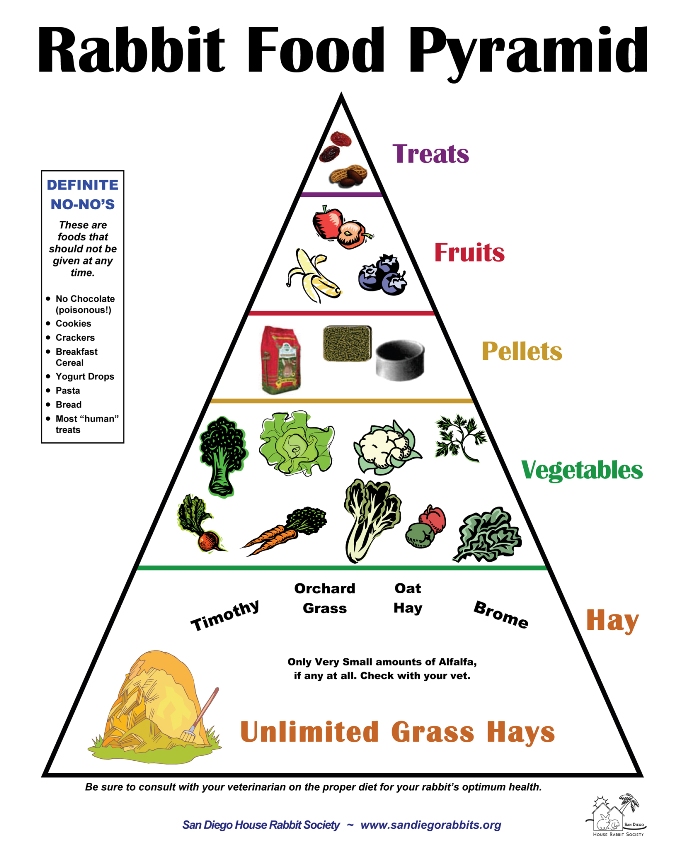
A varied diet is crucial for their well-being, emphasizing hay, fresh vegetables, and limited pellets. Understanding what foods are safe for rabbits ensures they thrive and enjoy a balanced diet.
This article will explore the benefits of kale for rabbits, how to incorporate it into their meals, and the potential risks involved.
Credit: home.adelphi.edu
Rabbit Diet Essentials
Rabbits have special nutritional needs. Their diet should include fiber, vitamins, and minerals. Kale is a leafy green that some rabbits enjoy. It contains vitamin A, C, and calcium. Too much calcium can harm rabbits. Offering kale in moderation is important.
Common foods for rabbits include:
- Hay – the main part of their diet.
- Fresh vegetables like carrots and lettuce.
- Pellets made for rabbits.
- Fruits as treats, such as apples or berries.
Always introduce new foods slowly. Monitor for any negative reactions. A varied diet keeps rabbits healthy and happy.

Credit: www.pawmaw.com
Kale’s Nutritional Profile
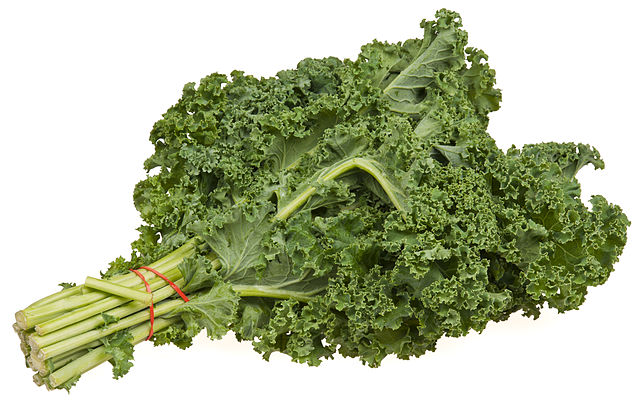
Kale is a nutrient-rich leafy green. It contains vitamins A, C, and K. These vitamins help keep rabbits healthy. Kale also has important minerals like calcium and potassium. These minerals support strong bones and overall health.
Fiber is crucial for rabbit digestion. Kale has a good amount of fiber. This helps prevent digestive issues. Eating fiber-rich foods keeps their gut healthy. A balanced diet helps rabbits feel their best.
Benefits of Kale for Rabbits
Kale is a superfood for rabbits. It offers many health benefits. One major benefit is boosting immunity. Kale is rich in vitamins A, C, and K. These vitamins help keep rabbits healthy. A strong immune system fights off diseases.
Another important benefit is digestive health enhancement. Kale contains fiber, which aids digestion. Fiber helps keep a rabbit’s gut functioning well. A healthy gut leads to happy rabbits. Ensure to introduce kale gradually to avoid tummy issues.
Risks Associated With Feeding Kale to Rabbits
Feeding kale to rabbits can pose serious risks. One major concern is oxalates. These compounds can affect kidney health. High levels of oxalates may lead to kidney stones. It’s best to limit kale in a rabbit’s diet.
Gas and bloating are also common issues. Kale can cause digestive problems. Rabbits may experience discomfort after eating kale. Signs include a swollen belly or reduced appetite. Always monitor your rabbit’s reaction to new foods.
Proper Serving Sizes And Frequency
Feeding kale to rabbits should be done in the right amounts. A small serving is best. Start with one to two leaves of kale. This ensures they don’t get an upset stomach.
Offer kale once or twice a week. This frequency helps prevent any health issues. Observe your rabbit’s reaction to it. If they enjoy it, continue feeding it in moderation.
Here’s a quick guide:
| Age of Rabbit | Serving Size | Frequency |
|---|---|---|
| Young (up to 6 months) | 1 leaf | Once a week |
| Adult (6 months and older) | 1-2 leaves | 1-2 times a week |
Incorporating Kale Into A Balanced Rabbit Diet
Rabbits can eat kale as part of their diet. Mixing kale with other vegetables is important. This keeps the diet interesting and balanced. Kale is rich in nutrients but should not be the only vegetable.
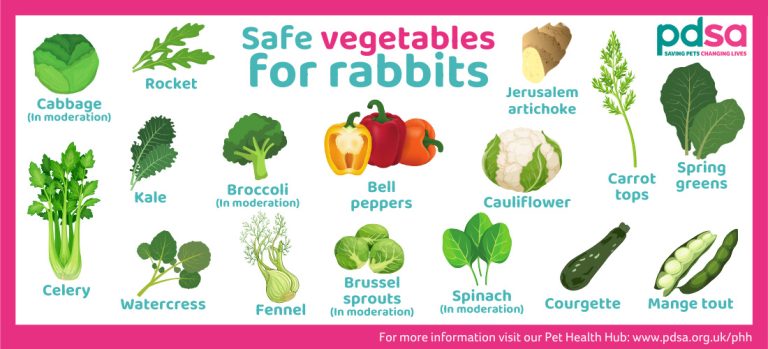
Include a variety of veggies like carrots, bell peppers, and broccoli. This helps avoid dietary monotony. Offer different colors and textures to make meals fun. Always wash vegetables thoroughly before serving.
| Vegetable | Benefits |
|---|---|
| Kale | High in vitamins A, C, and K |
| Carrots | Good for eyesight, crunchy texture |
| Bell Peppers | Rich in antioxidants, colorful |
| Broccoli | Contains fiber and calcium |
Safe Preparation of Kale for Rabbit Consumption
Washing kale is very important. Rinse it under cool water to remove dirt. Use a salad spinner to dry it well. Chopping kale into small pieces makes it easier for rabbits to eat.
Raw kale is safe and healthy for rabbits. It contains many nutrients they need. Cooked kale can lose some nutrients. Cooking may also change its texture. Always serve kale in moderation.
Monitoring Rabbit Health And Diet Adjustments
Healthy rabbits show bright eyes, a shiny coat, and normal weight. They should be active and playful. A good appetite is also a sign of health.
Watch for any changes in behavior. Loss of appetite or lethargy can signal a problem. If you notice any unusual signs, consult a veterinarian quickly.
| Sign | Action |
|---|---|
| Bright Eyes | Normal |
| Shiny Coat | Normal |
| Loss of Appetite | Consult Vet |
| Lethargy | Consult Vet |
Frequently Asked Questions
Can Rabbits Safely Eat Kale?
Yes, rabbits can eat kale in moderation. It’s nutritious but high in calcium, which can lead to health issues if overfed.
What Are The Benefits of Kale for Rabbits?
Kale is rich in vitamins A, C, and K, providing essential nutrients for a rabbit’s overall health and well-being.
How Much Kale Can I Feed My Rabbit?
Limit kale to a small portion, about 1-2 tablespoons per 2 pounds of body weight, a few times a week.
What Other Greens Can Rabbits Eat?
Rabbits enjoy a variety of romaine lettuce, parsley, cilantro, and dandelion greens for balanced nutrition.
Final Thoughts: Can Rabbits Eat Kale?
Rabbits can eat kale, but it should only be a small part of their diet. Kale is high in calcium, which can lead to health issues if eaten too much. Offer kale as an occasional treat rather than a daily staple.
Fresh hay and leafy greens should make up most of their meals. Wash the kale thoroughly before giving it to your rabbit to remove any pesticides.