

15 Reasons Why Female Rabbits Refuse To Mate?
A female rabbit may refuse to mate due to stress, illness, or discomfort. If she feels anxious or unwell, she won’t be receptive to mating. Additionally, a lack of a suitable environment or the presence of a dominant or aggressive male can deter her.
Rabbits are known for their prolific breeding habits, and mating is a crucial aspect of their reproductive cycle. However, there are instances when female rabbits may exhibit a reluctance or refusal to mate.
This behavior can be perplexing for rabbit breeders and owners who are eager to encourage successful reproduction.
In this exploration, we will describe 15 various reasons why female rabbits refuse to mate.
15 Reasons: Why Female Rabbits Refuse to Mate?
1. Health Issues
One of the primary reasons for a female rabbit’s refusal to mate could be underlying health issues. Rabbits, like any other living beings, may experience discomfort or pain due to illnesses such as urinary tract infections, dental problems, or reproductive disorders. A thorough veterinary examination can help identify and address these health concerns, potentially restoring the rabbit’s interest in mating.
2. Stress and Anxiety
Rabbits are sensitive creatures, and stress or anxiety can significantly impact their behavior. Changes in their environment, introduction to new companions, or even loud noises can cause stress, leading to a reluctance to mate. Providing a secure and stable environment, along with gradual introductions to changes, can help alleviate stress and encourage mating behavior.
3. Social Hierarchy Issues
In group settings, rabbits establish a social hierarchy. Dominant or territorial behavior among females may discourage mating attempts from other rabbits, especially if there is competition for a particular mate. Ensuring that rabbits have adequate space, and separate enclosures when needed, and monitoring their interactions can help manage social hierarchy issues.
4. Age and Reproductive Cycle
Female rabbits may have specific periods of fertility during their reproductive cycle. Attempting to mate outside these periods can result in refusal. Additionally, as rabbits age, they may become less interested in mating. Understanding the reproductive cycle and adapting mating attempts accordingly is crucial for successful breeding.
5. Previous Traumatic Experiences
Rabbits have a keen memory, and if a female rabbit has had negative or traumatic experiences during previous mating attempts, she may develop a fear or aversion to mating. Patience, gentle handling, and creating positive associations can help overcome these fears and rebuild trust.
6. Dietary Imbalances
Proper nutrition is vital for a rabbit’s overall well-being, including reproductive health. Nutritional imbalances, deficiencies, or excesses can affect a female rabbit’s hormonal balance, leading to a decreased interest in mating. Providing a balanced and species-appropriate diet can help address this issue.
7. Environmental Factors
The surrounding environment plays a crucial role in a rabbit’s behavior. Extreme temperatures, inadequate lighting, or poor ventilation can create discomfort and discourage mating. Ensuring that the breeding environment is comfortable and meets the rabbits’ needs is essential for successful reproduction.
8. Lack of Bonding with a Potential Mate
Rabbits are social animals that form strong bonds with their companions. If a female rabbit does not feel a connection or bond with a potential mate, she may refuse to mate. Allowing rabbits to spend time together, engage in mutual grooming, and gradually foster a bond can enhance the likelihood of successful mating.
9. Incompatible Personalities
Just like humans, rabbits have distinct personalities. In some cases, a female rabbit may refuse to mate with a male rabbit due to incompatible personalities. Observing their interactions and, if necessary, introducing different potential mates may help find a better match.
10. Hormonal Imbalances
Hormonal imbalances can affect a female rabbit’s receptivity to mating. Irregular estrous cycles or hormonal disorders may contribute to a lack of interest in mating. Consultation with a veterinarian to assess hormonal health and discuss potential interventions is crucial in such cases.
11. Physical Discomfort
Female rabbits may experience physical discomfort due to various reasons, such as injuries, soreness, or obesity. Pain or discomfort can deter them from engaging in mating behaviors. Regular health checks and prompt treatment of any physical issues can help alleviate discomfort and encourage mating.
12. Maternal Instincts or Pregnancy
If a female rabbit is already pregnant or has recently given birth, she may exhibit a lack of interest in mating. Maternal instincts take precedence during these periods, and attempting to mate may result in aggression or avoidance.
13. Lack of Experience
Inexperienced or first-time female rabbits may exhibit hesitation or refusal to mate. Providing a calm and supportive environment, along with the presence of an experienced mate, can help the novice rabbit feel more at ease and open to mating.
14. Seasonal Variations
Some rabbit breeds are more sensitive to seasonal changes, and environmental cues may influence their reproductive behavior. Understanding the seasonal variations and adjusting breeding attempts accordingly can enhance the chances of successful mating.
15. Overcrowding and Competition
In situations where rabbits are kept in overcrowded conditions or there is intense competition for resources, females may be less inclined to mate. Providing ample space, separate living quarters, and ensuring fair access to food and water can mitigate competition-related stress.
How to Tell If Rabbit Mating Is Successful?

Determining whether rabbit mating is successful involves observing various behaviors and physical signs.
Here are some indicators:
- Mounting and Thumping: The male rabbit (buck) will mount the female (doe) during mating. If successful, the buck may emit a grunting sound, and the doe might thump her hind legs.
- Nesting Behavior: After mating, the doe may exhibit nesting behavior, which includes pulling fur from her chest to create a nest for the upcoming babies (kits).
- Aggressive Behavior: Sometimes, the buck may become more aggressive during mating. This is normal behavior, but excessive aggression may indicate stress or discomfort.
- Repeated Matings: Rabbits are known for their reproductive efficiency, and successful mating may be followed by further mating attempts. If the buck continues to show interest in the doe, it could be a sign of a successful mating.
- Physical Changes: Pregnancy in rabbits is relatively short (around 28-31 days), so physical changes in the doe, such as a rounder belly, may become noticeable in the later stages.
- Monitoring for False Pregnancy: Some may show signs of pregnancy even if the mating was not successful. If the doe does not give birth within the expected time frame and shows no signs of labor, it could be a false pregnancy.
FAQs
Rabbits typically mate multiple times a day. They engage in frequent copulation, often several times in 24 hours. This high reproductive activity is a natural behavior for rabbits, as they have a strong instinct for breeding.
A pregnant rabbit will not mate again. Once a rabbit is expecting, it won’t engage in further mating activities. The pregnancy triggers changes that prevent additional mating behavior. The focus shifts to nurturing the upcoming litter rather than seeking new mating opportunities.
To encourage female rabbits to mate, place the male rabbit in the female’s cage. Monitor their interactions, ensuring they’re comfortable. If the female is receptive, she’ll lift her hindquarters. If mating doesn’t occur, try again later. Provide a quiet environment for privacy, and ensure both rabbits are healthy and in good condition for successful mating.
A healthy female rabbit might reject mating due to stress, discomfort, or lack of interest. A new environment, fear, or health issues could make her unresponsive. Ensuring a calm and comfortable setting, addressing any health concerns, and allowing time for adaptation can encourage successful mating behavior.

How to make you rabbits feel comfortable
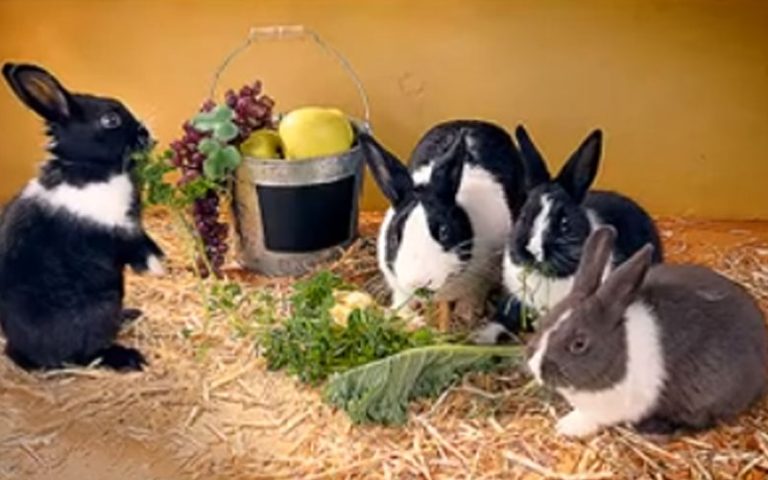
Make your rabbits feel comfortable by providing a clean, spacious enclosure with soft bedding, fresh water, and a balanced diet.
Keep their living area quiet, safe, and protected from extreme temperatures. Spend time with them daily, allowing gentle handling and supervised exercise outside the cage.
Add toys, hiding spots, and chew items to reduce boredom and encourage natural behaviors.
Regular cleaning and routine health checks also help rabbits stay happy and relaxed.