Why Do Rabbits Chase Each Other?
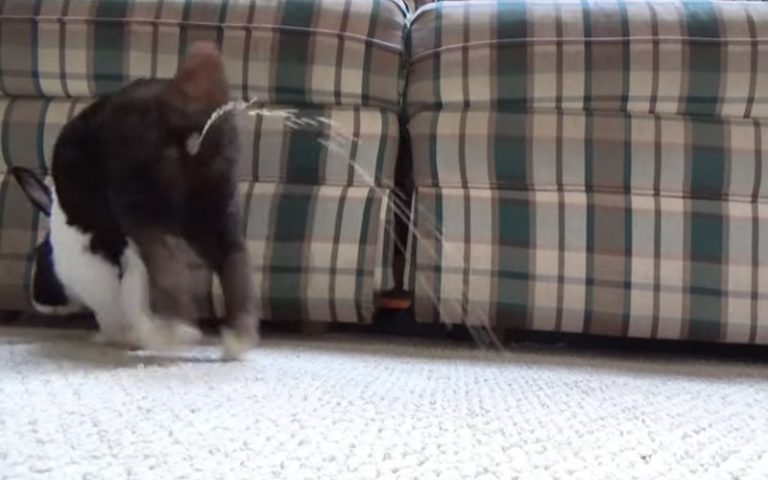
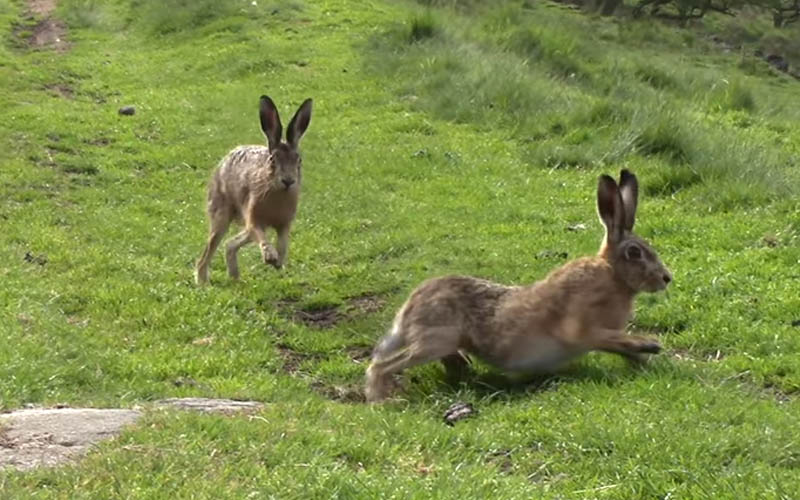
Rabbits chase each other primarily for fun and to establish dominance. Playful pursuits help them burn excess energy and build social bonds. Chasing is a natural behavior that promotes exercise and social hierarchy within rabbit communities. It’s akin to a lively game that reinforces their social structure and keeps them physically active.
Chase The Rabbit Meaning:
“Chase the rabbit” is an idiom that can have different meanings depending on the context.
Here are two common interpretations:
- Distraction or Pursuit of Something Elusive: In some situations, “chasing the rabbit” can refer to pursuing something difficult to catch or understand. It might be used to describe someone who is distracted or chasing after something elusive or unattainable.
- Follow a Lead or Pursue a Clue: In other contexts, particularly in a work or investigative setting, “chasing the rabbit” can mean following a lead or pursuing a clue that may lead to valuable information or a solution. This usage often implies a focused pursuit of a specific goal or answer.
Do All Rabbits Chase Each Other?
Not all rabbits chase each other. While some rabbits engage in playful chasing as a form of social interaction, it’s not a universal behavior. Each rabbit has its personality, and some may be more inclined to chase or be chased than others. Age, gender, and environment also influence their behavior.
Why Do Rabbits Chase Each Other?
Rabbits often chase each other for various reasons, and it can be attributed to different behaviors and instincts. 5 common reasons why rabbits engage in chasing behavior:
1. Social Bonding and Hierarchy
Rabbits, being social animals, establish intricate hierarchies within their groups. Chasing serves as a vital element in defining and reinforcing these social structures.
In simpler terms, it’s their way of maintaining a pecking order. As rabbits chase each other, they are subtly communicating and asserting their positions in the group.
This not only helps them establish a sense of order but also strengthens the social bonds within the community. Think of it as a friendly game of tag, where each participant understands their role and rank within the rabbit social circle.
2. Courtship and Mating Rituals
In the enchanting world of rabbits, chasing is not just a game; it’s also a courtship ritual. When rabbits reach the age of sexual maturity, usually around 3-6 months, they start displaying mating behaviors.
Chasing becomes a part of this intricate dance of love. The pursuer is often the male, and the chase is an attempt to woo the female.
This playful pursuit is a crucial aspect of the rabbit courtship, creating a whimsical spectacle that showcases the beauty of nature’s romantic gestures.
3. Exercising Natural Instincts
Rabbits, by nature, are prey animals. In the wild, they need to be agile and swift to evade predators. The behavior of chasing each other is deeply rooted in their instinct for survival.
This activity serves as a form of exercise, helping rabbits hone their speed and agility. Even in domestic settings, where predators are absent, rabbits instinctively engage in this behavior as a way to stay fit and maintain their instincts.
So, when you witness rabbits joyfully chasing each other in your backyard or living room, you’re witnessing a manifestation of their inherent survival skills in action.
4. Release of Excess Energy
Rabbits are known for their boundless energy, and like any energetic creature, they need an outlet to release it. Chasing provides the perfect avenue for rabbits to expend their excess energy in a fun and engaging manner.
Whether it’s a burst of speed across the grass or a lively chase around their enclosure, this behavior allows them to burn off calories and maintain a healthy level of activity. It’s akin to a spirited game of tag among friends, with the added benefit of promoting physical well-being.
5. Stimulating Mental Agility
Beyond the physical benefits, chasing each other also serves as mental stimulation for rabbits. The pursuit and evasion game requires cognitive skills, strategic thinking, and quick decision-making.
This mental exercise is crucial for their blessing, helping to keep their minds sharp and agile. Just like humans engage in brain games to stay mentally fit, rabbits instinctively participate in chasing activities to stimulate their cognitive abilities.
So, when you witness the delightful spectacle of rabbits darting around in pursuit, know that it’s not just a physical workout but also an exercise for their sharp little minds.
How Can I Tell If My Rabbit Is Stressed During Chasing?
If your rabbit is being chased and you’re concerned about stress, it’s essential to pay attention to their behavior and body language. Here are some signs that may indicate stress in rabbits:
- Body posture: A stressed rabbit may hunch its body, flatten its ears against its back, or crouch low to the ground.
- Evasive behavior: If the rabbit is trying to escape the chase, it may zigzag or make sudden, erratic movements.
- Thumping: Rabbits may thump their hind legs on the ground when they are stressed or scared. This is a warning signal to other rabbits that there may be danger.
- Freezing: A stressed rabbit might freeze in place, hoping to go unnoticed. This can be a sign of fear or anxiety.
- Panting or rapid breathing: Stress can cause an increase in breathing rate. If your rabbit is breathing heavily after being chased, it could be a sign of stress.
- Hiding: If the rabbit seeks hiding places or burrows into a corner to avoid being chased, it may be stressed.
- Reduced appetite: Stress can lead to a decreased interest in food. If your rabbit is not eating well after a chase, it might be a sign of stress.
- Aggressive behavior: Some rabbits may become aggressive when stressed, displaying defensive behaviors like growling, biting, or scratching.
How Do I Stop My Rabbits from Chasing Each Other?
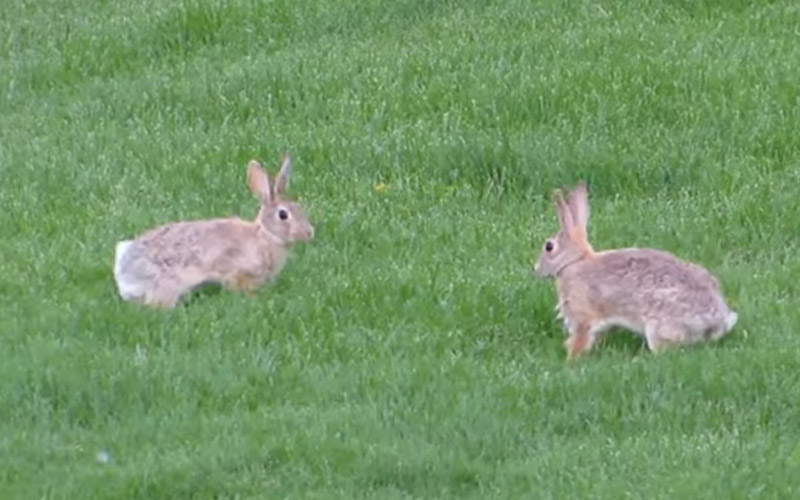
While a certain level of chasing is natural and a part of rabbit social dynamics, it can become problematic if not addressed. To ensure a harmonious living environment for your bunnies, 13 practical tips to put a stop to excessive chasing:
- Spacious Living Quarters: Ensure your rabbits have ample space to move around. A crowded environment can contribute to territorial disputes and increased chasing. Aim for a spacious enclosure that allows each rabbit to have their territory without feeling cramped.
- Pairing Compatibility: When introducing rabbits, consider their personalities and compatibility. Similar energy levels and temperaments can contribute to a more harmonious relationship. If possible, try to pair rabbits that have previously shown compatibility or are from the same litter.
- Neutering/Spaying: Consider having your rabbits neutered or spayed, as this can significantly reduce hormone-driven behaviors, including excessive chasing. This is particularly important for male rabbits, as they can exhibit more territorial and aggressive behaviors if not neutered.
- Introduce in Neutral Territory: When introducing new rabbits, do it in a neutral space unfamiliar to both. This reduces the likelihood of one rabbit feeling the need to establish dominance over the other and can create a more balanced introduction.
- Supervised Playtime: During playtime, keep a close eye on your rabbits. Intervene if chasing becomes too intense or aggressive. Providing a safe environment for play with close supervision ensures you can step in before situations escalate.
- Environmental Enrichment: Enrich your rabbits’ living space with toys, tunnels, and hiding spots. This not only adds mental stimulation but also provides alternative activities, reducing the likelihood of boredom-induced chasing.
- Feeding Separately: If your rabbits tend to chase during mealtime, consider feeding them in separate areas. This eliminates competition for food and minimizes the chances of one rabbit chasing the other away from the feeding area.
- Positive Reinforcement: Reward good behavior with treats and positive attention. When your rabbits interact calmly and peacefully, acknowledge and reward them. This encourages the development of positive social behaviors and reinforces a harmonious living dynamic.
- Training with Distractions: If chasing becomes an issue, try redirecting their attention with distractions like toys or treats. This helps break the chasing pattern and establishes positive reinforcement for engaging in alternative, non-aggressive behaviors.
- Understanding Body Language: Familiarize yourself with rabbit body language to identify signs of stress or discomfort. If you notice tense postures, flattened ears, or thumping, it may be an indication that your rabbits are not comfortable with the current situation.
- Separate Timeouts: If chasing persists, consider temporary separation. Provide individual spaces for each rabbit to cool down and reduce tension. This timeout approach can prevent prolonged stress and help reset their interactions.
- Consistent Routine: Establish a consistent daily routine for your rabbits. Predictability can provide a sense of security, reducing the likelihood of stress-induced behaviors like excessive chasing.
- Patience and Time: Building a harmonious relationship between rabbits takes time. Be patient and allow your rabbits to gradually adjust to each other. Rushing the process may lead to increased stress and chasing behavior.
FAQs
Rabbits bite each other’s bums to establish dominance or show irritation. This behavior is a way for them to communicate their feelings and maintain a social order. It’s their version of saying, “I’m in charge” or “I don’t like what you’re doing.” It’s a natural part of their social interactions and hierarchy within a group.
Wild rabbits do fight each other. In the wild, they engage in battles over territory, mates, and resources like food. These skirmishes involve kicking, biting, and aggressive behavior. The fights are a natural part of their social dynamics and help establish dominance within the rabbit community.
Rabbits can kill each other, especially when they fight aggressively. Territorial disputes, competition for food or mates, and stress can lead to fatal injuries inflicted by one rabbit on another.
Step in if your rabbits’ playful chasing gets too rough. Ensure their fun stays safe by separating them briefly. Watch for signs of discomfort, like thumping or aggressive behavior.