10 Reasons: Why Is My Rabbit Not Eating Pellets?
Your rabbit might not be eating pellets due to various reasons. Check for dental issues, as tooth problems can make chewing painful. Ensure the pellets are fresh and of good quality. Stress or changes in the environment could also affect appetite.
In the dominion of responsible rabbit care, a common concern that often perplexes pet owners is the question, “Why is my rabbit not eating pellets?”
Our team of experts is here to unravel the mystery behind this behavior and provide you with insights that go beyond the surface.
Do Rabbits Need Pellets?

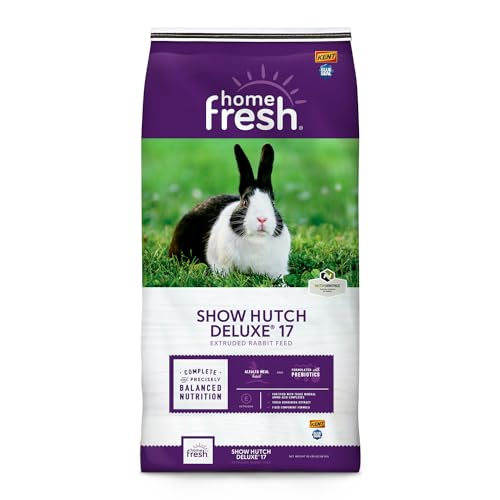
Rabbits benefit from pellets. These compact, nutrient-packed bites provide essential vitamins and minerals crucial for their health. Pellets ensure your furry friend gets a well-balanced diet, promoting strong teeth and bones. They simplify nutrition, making it easy for rabbit owners to meet their pets’ dietary needs.
10 Reasons: Why Is My Rabbit Not Eating Pellets?
When your furry friend, the rabbit, suddenly snubs its usual pellet diet, it can be a cause for concern. A healthy rabbit diet usually includes a balanced mix of hay, pellets, and fresh vegetables. If your rabbit is turning its nose up at pellets, there could be various reasons behind this change in behavior.
Below, we’ll talk about some common causes and provide insights into why is my rabbit not eating pellets.
1. Dental Issues
Rabbits have continuously growing teeth, and sometimes dental problems can deter them from eating hard pellets. Overgrown teeth, sharp points, or dental malocclusion can cause pain or discomfort, making chewing difficult for your rabbit. Check for signs such as drooling, pawing at the mouth, or a change in chewing habits.
2. Digestive Problems
Digestive issues can be another culprit for your rabbit’s reluctance to eat pellets. Gastrointestinal problems like bloating, gas, or stasis can make a rabbit feel unwell and decrease its appetite.
3. Selective Eating
Rabbits can be picky eaters, and they might choose to avoid certain types or brands of pellets. It’s essential to provide a high-quality pellet brand with a good balance of nutrients. Experiment with different brands or formulations to find one that your rabbit enjoys.
4. Change in Environment
Rabbits are sensitive creatures, and changes in their environment can affect their eating habits. Moving to a new home, rearranging their living space, or introducing new pets can cause stress, leading to a decreased appetite.
5. Illness or Pain
If your rabbit is unwell or experiencing pain, it may lose interest in eating altogether, including pellets. Signs of illness could include lethargy, changes in grooming behavior, or a hunched posture.
6. Obesity
Believe it or not, rabbits can suffer from obesity, especially if they are overfed or given a diet high in pellets. If your rabbit is overweight, it might be less inclined to eat pellets to regulate its calorie intake.
7. Spoiled or Stale Pellets
Rabbits have a keen sense of smell, and if their pellets are stale or spoiled, they may refuse to eat them. Check the expiration date on the pellet bag and store it in a cool, dry place to maintain freshness. If the pellets appear discolored, have an off-putting odor, or seem moldy, discard them immediately and replace them with a fresh batch.
8. Insufficient Hay
Hay is a crucial component of a rabbit’s diet, providing essential fiber for proper digestion and dental health. If your rabbit doesn’t have enough hay, it might reduce its overall food intake, including pellets.
8. Age-Related Changes
As rabbits age, their dietary needs and preferences can change. Older rabbits might develop dental problems, arthritis, or other health issues that affect their appetite. Adjust their diet accordingly, and consider providing softer or more palatable pellet options that are easier for them to chew and digest.
9. Inappropriate Feeding Habits
Sometimes, well-intentioned rabbit owners might unknowingly reinforce bad eating habits. Offering too many treats, feeding an unbalanced diet, or providing excessive pellets can lead to a lack of interest in their primary food source.
Title: 10 Practical Tips to Encourage Your Rabbit to Eat Pellets
Pellets are a common and nutritious part of a rabbit’s diet, providing essential nutrients. However, if your furry friend is turning up its nose at these pellets, it’s essential to address the issue promptly.
Below, we’ll share 10 practical tips to encourage your rabbit to eat pellets.
1. Check the Freshness of Pellets
Start by examining the pellets you offer to your rabbit. Ensure that they are fresh and haven’t surpassed their expiration date. Just like humans, rabbits can be picky about the quality of their food, and stale pellets might not be appealing to them.
2. Gradual Transition
If you’ve recently switched your rabbit’s brand or type of pellets, consider making the transition gradually. Abrupt changes in diet can lead to resistance. Mix a small amount of the new pellets with the old ones, increasing the ratio slowly over a week until your rabbit adjusts to the new taste and texture.
3. Diversify the Pellet Diet
Rabbits enjoy variety in their diet. Introduce different types of pellets, such as those with varying flavors or textures. This can make mealtime more interesting for your rabbit, enticing it to explore and eventually accept the pellets.
4. Optimize Pellet Presentation
Sometimes, it’s not about what you offer but how you present it. Ensure that the pellets are clean, fresh, and served in a clean bowl. Rabbits can be sensitive to their environment, and a dirty or unappealing presentation may deter them from eating.
5. Supplement with Fresh Vegetables
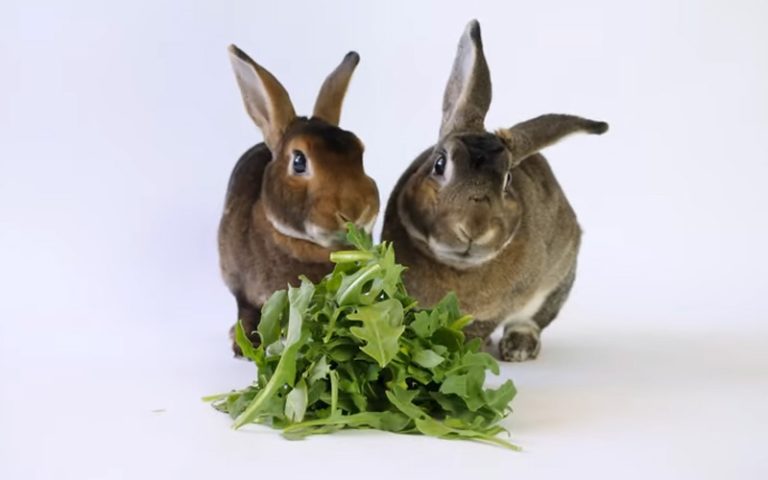
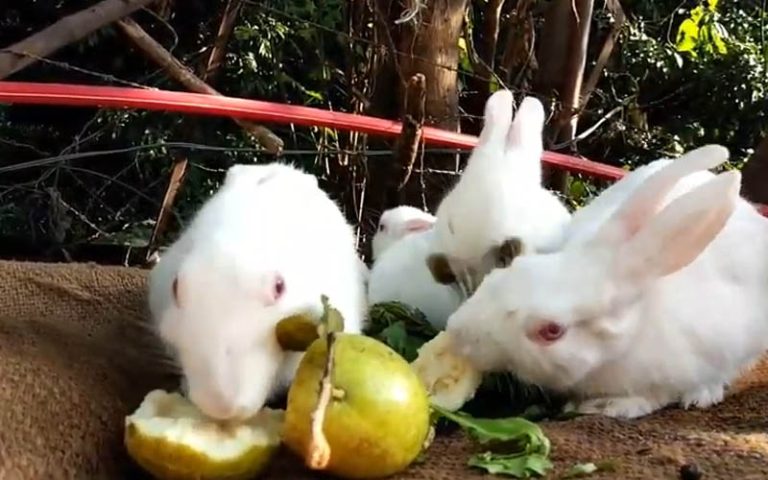
Include fresh vegetables in your rabbit’s diet to complement the pellets. Vegetables like carrots, leafy greens, and bell peppers provide essential nutrients and add a variety of flavors and textures to their meals. This can stimulate their appetite and make them more open to trying different foods.
6. Monitor the Pellet Quantity
Pay attention to the amount of pellets you’re offering. Overfeeding can lead to pickiness, as rabbits may become accustomed to the treats and refuse their regular pellets. Ensure that you’re providing an appropriate portion size based on your rabbit’s size and dietary needs.
7. Interactive Feeding Solutions
Make mealtime an engaging experience for your rabbit by using interactive feeding solutions. Puzzle feeders or toys that dispense pellets gradually can turn eating into a fun and mentally stimulating activity. This not only encourages your rabbit to eat but also prevents boredom.
8. Regular Health Checkups
If your rabbit continues to resist pellets, it might be a sign of an underlying health issue. Schedule regular checkups with a veterinarian to rule out any dental problems, gastrointestinal issues, or other health concerns that could be affecting your rabbit’s appetite.
9. Temperature Considerations
Rabbits can be sensitive to temperature changes, affecting their appetite. Ensure that the pellets are stored in a cool, dry place, and avoid serving them if they have been exposed to extreme temperatures. A comfortable environment can make your rabbit more receptive to its regular diet.
10. Patience and Positive Reinforcement
Lastly, be patient and provide positive reinforcement. Rabbits are creatures of habit, and it may take time for them to adjust to changes. Offer praise and treats when your rabbit shows interest in the pellets, reinforcing the idea that eating them is a positive experience.
FAQ
It’s common for rabbits to occasionally skip meals due to factors like stress, changes in environment, or minor digestive issues.
You can make a DIY pellet alternative for your rabbit at home. Simply mix oats, hay, and fresh vegetables like carrots and greens. Ensure the mix is well-balanced for your rabbit’s nutritional needs. Homemade options can provide variety and nutrition.
Stress can indeed impact your rabbit’s eating habits. When your bunny feels anxious or uneasy, it might lose its appetite. This can result in a decreased interest in food or even a refusal to eat.
Rabbits can survive without pellets. They can thrive on a diet of fresh hay, vegetables, and water. Pellets provide essential nutrients, but a balanced diet can be achieved with other foods.