Rooster Feathers Vs Hen Feathers: Shape, Color, and Use
Rooster feathers are typically longer and stiffer than hen feathers. Hen feathers are softer and more rounded, providing better insulation.
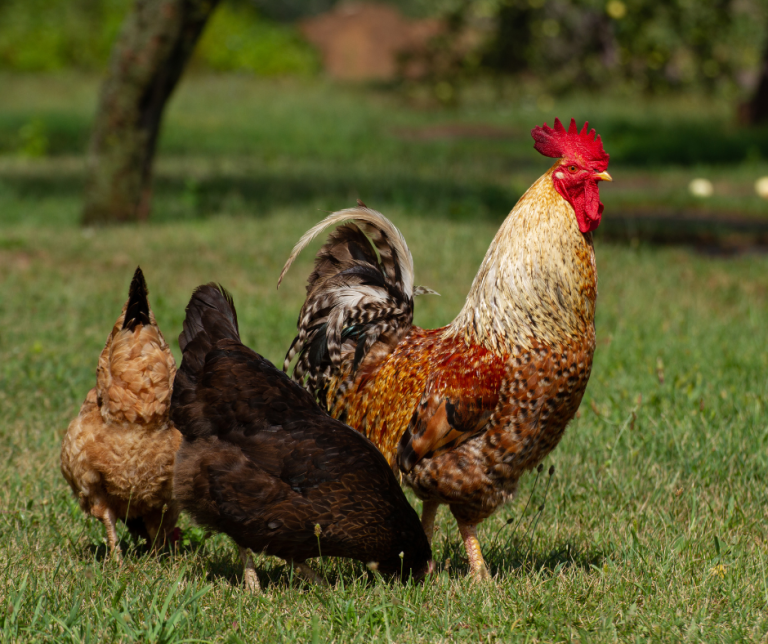
Rooster and hen feathers serve different purposes in the avian world. Rooster feathers are often longer and more vibrant, showcasing their role in attracting mates and displaying dominance. These feathers can be stiff and glossy, adding to their striking appearance.
In contrast, hen feathers prioritize functionality over aesthetics, offering excellent insulation and protection for nesting. They tend to be softer and more rounded, which helps hens stay warm during brooding.
Understanding these differences enhances our appreciation for these birds and their unique adaptations. By recognizing the roles of both rooster and hen feathers, we gain insights into avian behavior and survival strategies.
Introduction To Rooster And Hen Feathers
Credit: www.backyardchickens.com
Rooster feathers and hen feathers have different physical attributes. Rooster feathers tend to be larger and more vibrant. They often have shiny, iridescent colors. Hen feathers are usually softer and smaller. They come in various shades, often muted.
Common uses for rooster feathers include decoration and crafts. Many people use them in costumes and headdresses. Hen feathers are popular in quilting and textiles. They also serve as stuffing for pillows.
Both types of feathers play important roles in nature. Roosters use their feathers to attract mates. Hens use theirs for insulation and protection.
Morphology Of Rooster Feathers
Rooster feathers show vibrant colors. They often have iridescent shades of green, blue, and gold. These colors help attract hens and show off their health.
Hen feathers are usually more subdued. They often have earthy tones like brown and tan. This helps them blend into their surroundings.
The structural features of rooster feathers differ as well. Roosters have longer, fluffy tail feathers. Hens have shorter, sleeker feathers.
Both types of feathers serve important roles. Rooster feathers help in courtship displays. Hen feathers provide camouflage during nesting.
Morphology Of Hen Feathers
Hen feathers have a unique texture compared to rooster feathers. They are typically softer and more flexible. This softness helps insulate the chicks during brooding. Hen feathers also have a downy layer, which adds warmth.
Adaptations for brooding are crucial. Hens often use their feathers to create a comfortable nest. The feathers help keep the eggs warm and protected. This is essential for the growth of the chicks inside the eggs.
Overall, hen feathers are specially designed for nurturing. Their texture and adaptability make them perfect for raising young.
Rooster Feathers In Cultural Symbolism
Credit: www.reddit.com
Rooster feathers have deep roots in many cultures. They often symbolize bravery and vigilance. Ancient civilizations used them in rituals to honor gods. In some societies, roosters represent fertility and prosperity.
Today, rooster feathers appear in fashion and art. Many people use them in costumes and decorations. They can signify strength and confidence in modern designs. Rooster feathers are also popular in native crafts around the world.
The Role Of Hen Feathers In Insulation
Hen feathers play a crucial role in insulation. They help keep birds warm in cold weather. The thermal properties of hen feathers trap air. This trapped air creates a barrier against the cold.
Feathers contain tiny pockets of air. These pockets act like a blanket, keeping the bird cozy. Hen feathers are also water-resistant. This feature protects hens from moisture and chill.
In addition to insulation, hen feathers have a protective function. They shield hens from environmental hazards. This includes rain, wind, and sun exposure. Strong feathers help hens stay safe and healthy.
Comparison of Durability And Quality
Rooster feathers are generally sturdier than hen feathers. They can last longer due to their thicker structure. Hen feathers are softer but may wear out quickly. This affects their durability and quality.
The life span of rooster feathers is often two to three years. Hen feathers typically last one to two years. Environmental factors can also influence how long they last.
Proper maintenance is key for both types. Washing feathers gently helps keep them clean. Avoid using harsh chemicals that can damage the feathers. Storing feathers in a dry place is essential to prevent mold.
Implications for Fashion And Craft
Feathers from roosters and hens serve different purposes in fashion and craft. Rooster feathers are often longer and more vibrant. They add a bold touch to accessories and clothing. Hen feathers, on the other hand, are softer and more delicate. They work well for subtle designs and embellishments.
Current trends show a rise in the use of feathers for eco-friendly fashion. Designers focus on sustainable sources for their materials. This shift promotes ethical practices in the industry. Consumers are becoming more aware of where their materials come from.
| Feather Type | Characteristics | Fashion Use |
|---|---|---|
| Rooster | Long, vibrant | Bold accessories, statement pieces |
| Hen | Soft, delicate | Subtle designs, embellishments |
Conclusion
The differences between rooster feathers and hen feathers enhance your knowledge of poultry. Rooster feathers are often larger and more vibrant, while hen feathers are softer and more subdued. Each type plays a unique role in its respective birds’ lives.
This knowledge can help you appreciate the beauty of both genders in your flock.