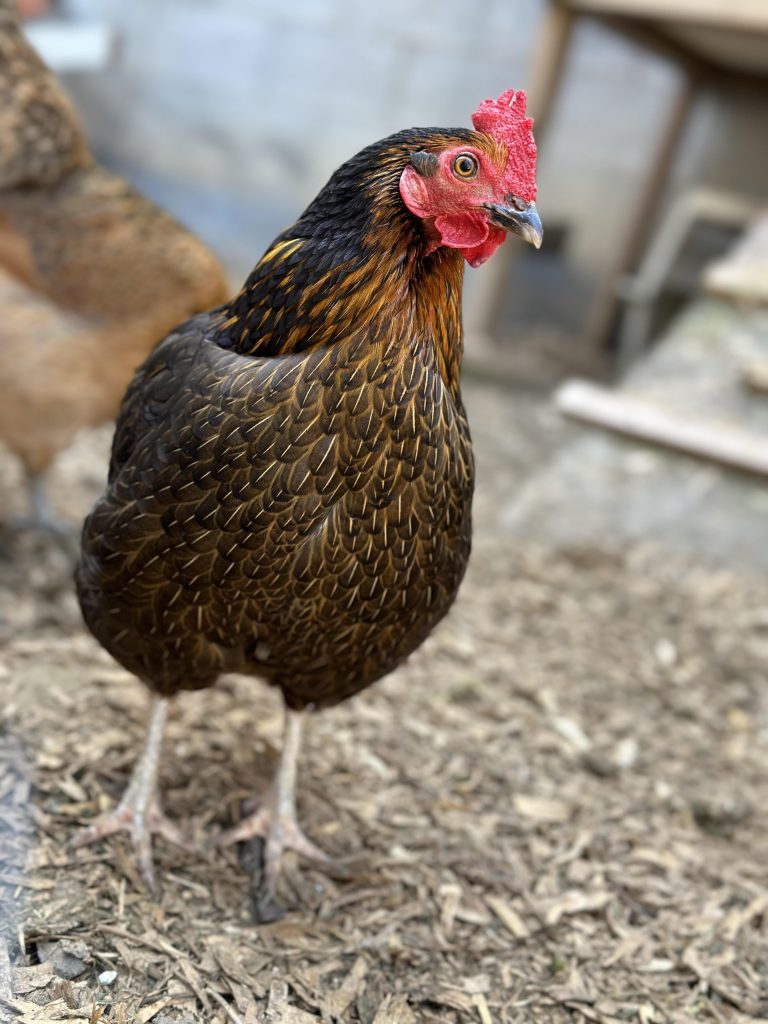
How to Report a Rooster in a Residential Area: Quick Guide
To report a rooster in a residential area, contact your local animal control or city council. Provide details about the noise and location for effective assistance.
Roosters can be charming on farms but may cause issues in residential neighborhoods. Their early morning crowing can disturb neighbors, leading to complaints.
Many cities have noise ordinances that restrict farm animals in residential zones. Reporting a rooster involves knowing your local laws and gathering information about the situation.
Residents often seek a peaceful living environment, so it’s crucial to address any disturbances promptly. Understanding how to report a rooster can help preserve harmony in your community while ensuring that animal owners comply with local regulations.
This guide will walk you through the steps necessary for effective reporting.
Residential Rooster Issues

Credit: twitter.com
Backyard chickens have become popular among many people. They provide fresh eggs and companionship. However, roosters can create problems in residential areas.
Roosters are known for their loud crowing. This can disturb neighbors, especially during early mornings. Many cities have noise ordinances. These laws limit noise levels in residential zones.
When a rooster becomes a nuisance, it is important to act. First, try talking to the owner. They may not realize the issue. If this does not help, consider reporting the problem to local authorities.
Check local laws about keeping roosters. Some areas may have specific rules. Understanding these can help resolve the issue quickly.

Credit: www.statesboroga.gov
Legal Considerations for Keeping Roosters
Understanding zoning laws is essential for reporting a rooster. Many areas have specific regulations about keeping roosters.
Check your local zoning ordinances. These rules often determine if you can keep roosters at home. Some areas allow chickens but ban roosters due to noise concerns.
| Regulation Type | Description |
|---|---|
| Noise Ordinances | Roosters can be noisy, especially early in the morning. |
| Property Size | Some areas require a minimum lot size to keep roosters. |
| Permits | Permits may be needed to own roosters in certain places. |
Contact your local animal control for guidance. They can help clarify the rules. Always ensure you follow the law to avoid fines.
Identifying The Problem
Many people face issues with roosters in their neighborhoods. Common complaints include loud crowing at dawn. This can disturb sleep and daily activities. Roosters may also cause nuisance by wandering into yards.
Assessing the severity of the problem is crucial. Consider how often the crowing happens. Is it just a few times or all day long? Check if the rooster damages property or affects pets. Gathering information can help in reporting the issue.
| Complaint | Description |
|---|---|
| Loud Crowing | Roosters crow loudly, especially early in the morning. |
| Property Damage | Roosters may dig or roam in gardens and yards. |
| Pest Behavior | Roosters can disturb pets or wildlife. |
Effective Communication With The Rooster Owner
Start by being friendly and polite. A gentle approach helps build trust. Explain how the rooster’s noise affects your daily life. Use calm words and avoid being confrontational.
Offer to discuss solutions together. Suggest ways the owner can manage the rooster’s sound level. Propose times for quiet hours or ask if they can keep the rooster inside during early mornings.
Ask if they’d consider co-ops that reduce noise. Show willingness to help find a compromise. This way, both sides can be happy in the neighborhood.
Reporting To Local Authorities
Reporting a rooster in a residential area can help keep the peace. Local authorities need specific details to handle the situation effectively.
Include the exact location of the rooster. Mention the time and frequency of the noise. Describe the rooster’s appearance and behavior. It’s helpful to note if other neighbors are affected. Gather any evidence, like videos or recordings of the noise. This information will support your complaint.
Contact your local animal control or city hall. Many areas have specific forms for such complaints. Make sure to keep a record of your communication.
Understanding The Enforcement Process
Reporting a rooster can lead to different outcomes. Local authorities may issue a warning to the owner. If the problem continues, fines may be imposed. In some cases, the rooster may be removed. It is important to know that outcomes can vary by location.
The time frame for resolution can differ. Some cases might be resolved in a few days. Others could take weeks or even months. Factors include the severity of the complaint and local laws. Always check with local authorities for specific details.
Alternative Dispute Resolution
Mediation can help settle disputes about roosters. It allows both sides to talk openly. A neutral person helps find a solution. This process can be friendly and quick.
Community boards often handle noise complaints. They listen to concerns from neighbors. These boards can help reach an agreement about the rooster.
Legal action should be the last option. It can be costly and time-consuming. Before taking legal steps, try mediation first. This helps maintain good neighborly relations.
Conclusion
Reporting a rooster in a residential area can be straightforward. Start by understanding local regulations. Gather evidence and communicate with neighbors. Then, contact local authorities for assistance.
By following these steps, you can address the issue effectively. Ensure a peaceful environment for everyone in your community.