
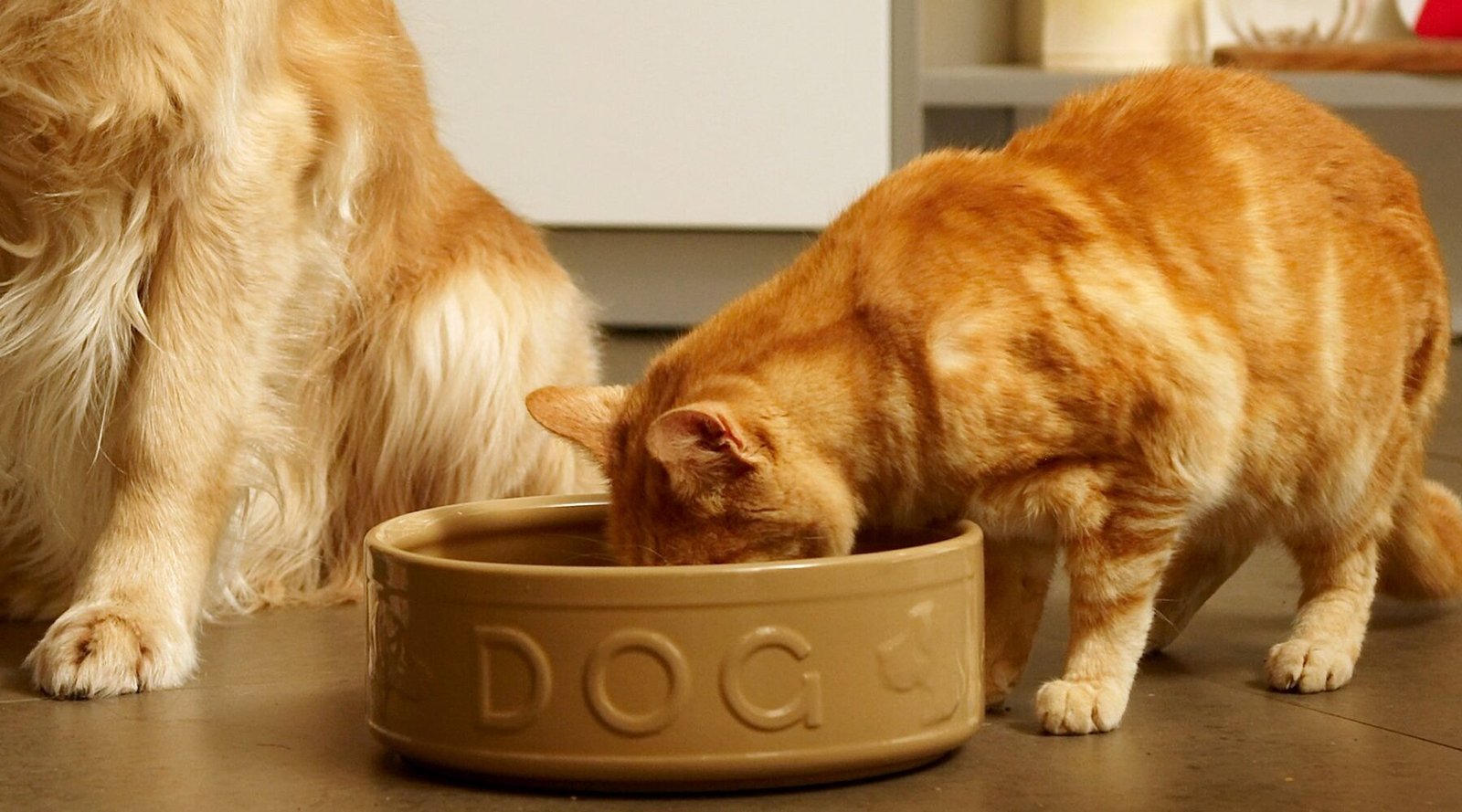
Is It Bad for Cats to Eat Dog Food? The Health Risks Explained
Yes, mostly. One meal of dog food won’t harm a healthy cat, but feeding it regularly can because dog food lacks taurine and other nutrients cats must get from their diet. Long-term feeding can lead to serious health problems, so check the label on your cat’s own food to confirm it’s complete and balanced for cats.
Is it bad for cats to eat dog food
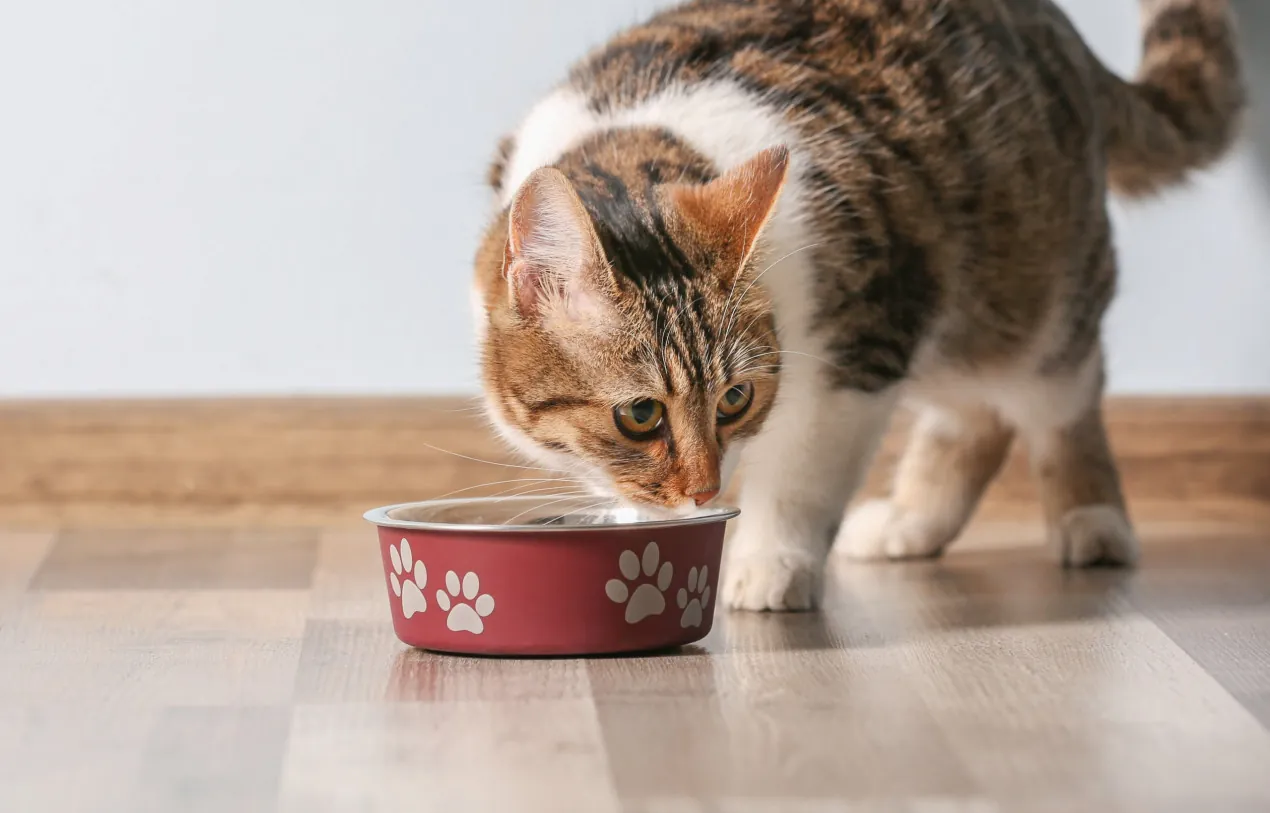
| Situation | Safe? | Why |
|---|---|---|
| One bowl of dog food by accident | Yes | A single meal doesn’t cause lasting harm |
| Dog food as the main diet | No | It lacks taurine and other cat-specific nutrients |
| Dog food mixed in sometimes | With care | It’s fine only as a small part of a cat’s meals |
| Puppy food instead of cat food | No | It’s still made for dogs and misses what cats need |
| Cat steals dog food regularly | With care | Stop the habit; occasional bites aren’t an emergency |
| Dog treats given to a cat | With care | Most aren’t toxic, but they aren’t cat food |
What the risk actually is
Cats are obligate carnivores, which means they need nutrients that dog food doesn’t provide in the right amounts. Taurine is the clearest example: cats can’t make enough of it themselves, and dog food isn’t formulated to supply what a cat needs. A long-term taurine shortage can cause heart disease and blindness.
Dog food also tends to have less protein and fat than a cat requires, and it may lack the correct balance of arachidonic acid and vitamin A. Over months, feeding mostly dog food can lead to malnutrition, poor coat quality, weight loss, and organ strain. The risk is real but slow; a single meal doesn’t cause it. If you’re unsure whether a food meets feline standards, check the Association of American Feed Control Officials page on complete and balanced pet food rather than guessing.
The signs to stop immediately
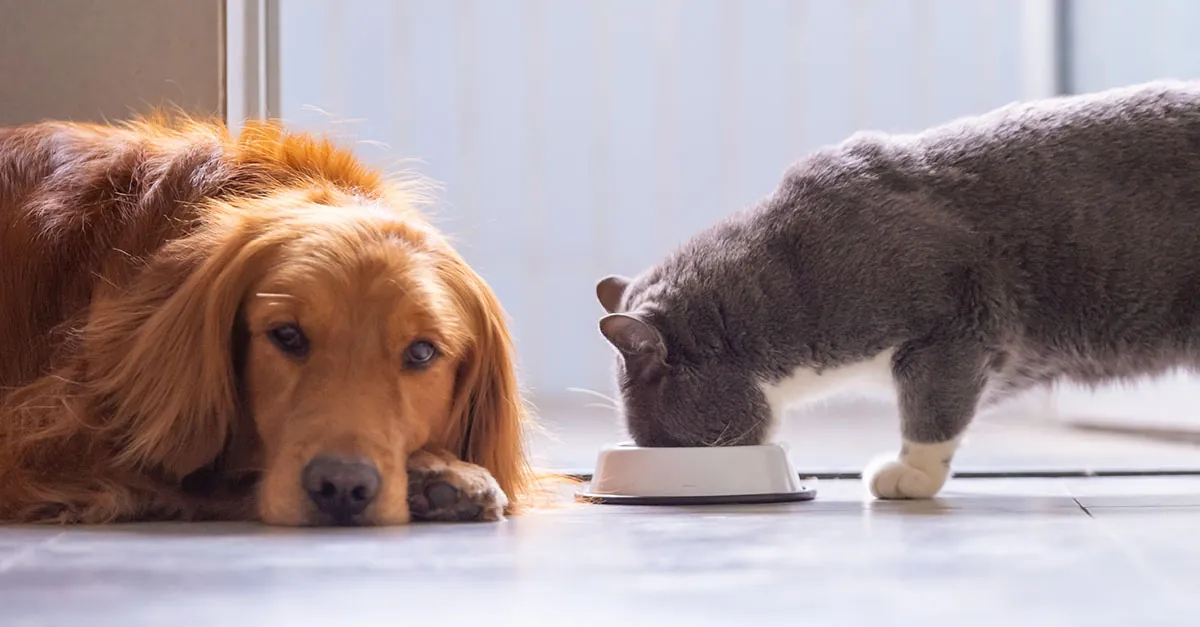
- Vomiting after eating dog food — the cat’s stomach is rejecting it
- Diarrhea or loose stool within a day or two — digestion is upset
- Lethargy or weakness that wasn’t there before — nutrients are missing
- Dull coat or skin problems — the diet isn’t meeting needs
- Weight loss over weeks — the food isn’t sustaining the cat
- Refusal of its own cat food in favor of dog food — a habit to break
None of these signs alone proves dog food is the cause, but they mean stop feeding it and call a veterinarian. If the cat shows severe vomiting, collapse, or trouble breathing, go to a veterinary clinic at once rather than waiting. Never keep offering dog food while waiting to see if the signs pass.
The safer way to do it
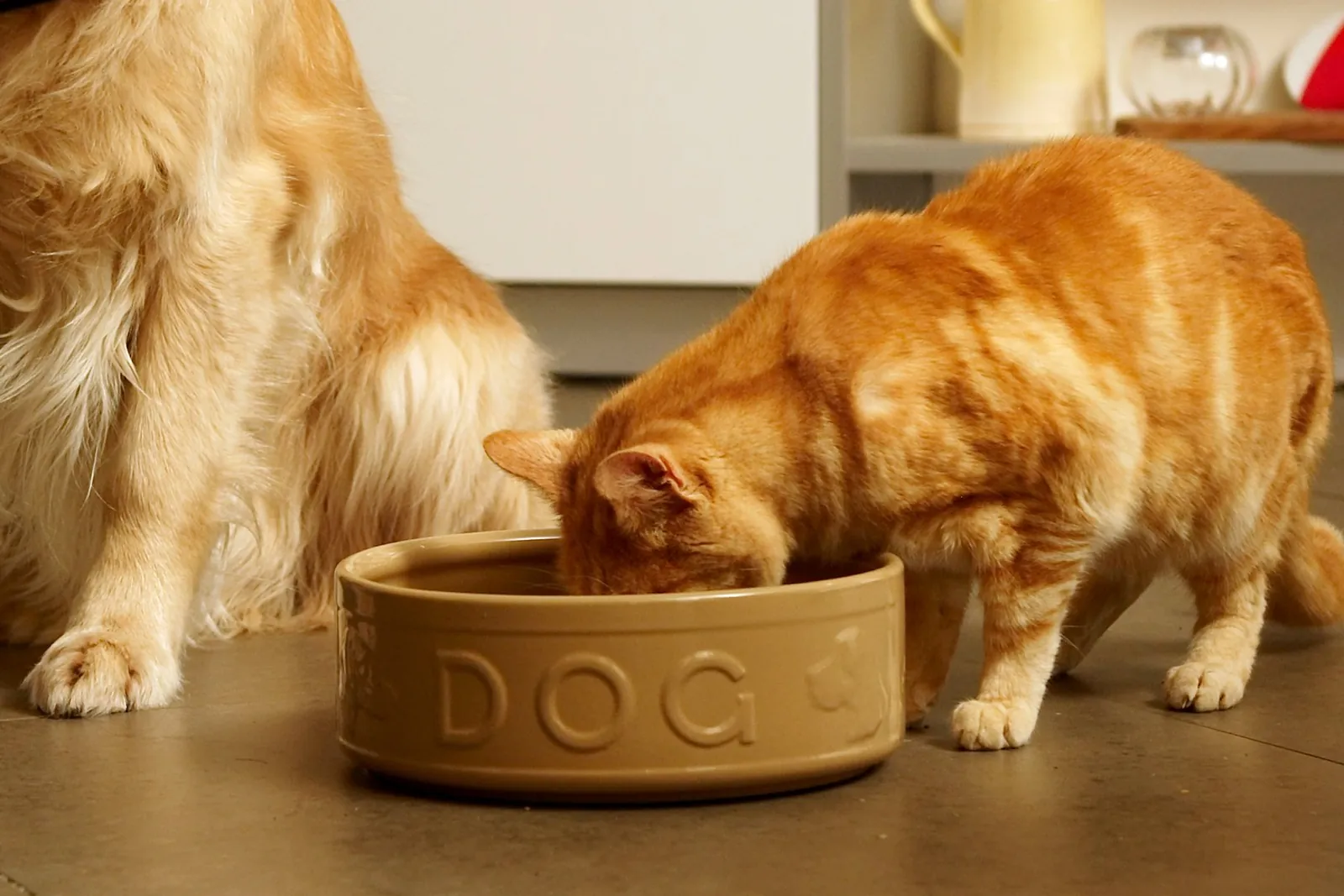
Keep dog food inside a cupboard or a room the cat can’t access. If you lack a spare room, use a high-mounted shelf or a pantry with a door latch. Cats are agile jumpers, so don’t assume a countertop is out of reach.
Feed the dog and cat in separate spaces at set times. Remove all uneaten dog food within twenty minutes to prevent the cat from grazing. Leaving kibble out creates a habit that invites the cat to treat dog food as a primary meal.
Provide a complete, balanced diet formulated specifically for the cat’s life stage. If your cat begs while the dog eats, offer a designated cat treat instead of a dog biscuit. Dog treats often lack the essential taurine cats require.
If your cat has consumed only dog food for weeks, switch them back gradually over seven to ten days. Mix increasing amounts of cat food into the old food to avoid digestive upset. Always call a veterinarian before changing diets if the cat is pregnant, nursing, a kitten, or has kidney or heart disease.
If it has already happened
Remove the dog food and offer the cat’s normal food at the next scheduled meal. Watch for vomiting, diarrhea, or lethargy over the next twenty-four to forty-eight hours. One meal isn’t an emergency for a healthy adult cat, but don’t make it a habit.
If the cat has been eating mostly dog food for weeks, book a veterinary check-up to look for nutrient shortfalls before they cause lasting damage. A common mistake is assuming a cat is fine because they appear full; however, dog food lacks the essential taurine cats require. A deficiency can lead to irreversible heart disease or vision loss within months.
Kittens, pregnant cats, and cats with known illness should see a veterinarian immediately. If your cat is a senior or has a history of kidney issues, prioritize a blood test to check electrolyte levels. Never try to supplement the diet with human vitamins or taurine powder without specific veterinary advice, as improper dosing can cause toxicity.


