Can Parrots Eat Mushrooms? Essential Safety Tips!
Yes, parrots can eat mushrooms, but only in moderation. Some mushrooms are safe, while others can be toxic.
Mushrooms are a unique addition to a parrot’s diet, but caution is essential. Not all mushrooms are safe for consumption; some can be toxic and harmful.
Fresh, cooked, and organic mushrooms are generally safe for parrots. They can offer nutritional benefits, including vitamins and minerals.
Avoid wild mushrooms, as their safety is uncertain. Providing a varied diet helps ensure your parrot receives all necessary nutrients.
Consult with an avian veterinarian for personalized advice on your parrot’s diet, ensuring their health and well-being.
Parrots And Mushrooms: A Delicate Balance!
Credit: exoticdirect.co.uk
Parrots can eat mushrooms, but caution is necessary. Some mushrooms are safe, while others can be toxic. Safe varieties include cooked button mushrooms and shiitake. Continually avoid wild mushrooms, as they can harm parrots.
Nutritional benefits of mushrooms include vitamins and minerals. They provide fiber, which helps with digestion. Mushrooms also contain antioxidants, supporting overall health.
Potential risks involve toxic varieties. Symptoms of poisoning may include vomiting, diarrhea, and lethargy. Still, consult a vet before introducing mushrooms to a parrot’s diet.
Types of Mushrooms: Safe Vs. Toxic
Identifying non-toxic mushrooms is important for your parrot’s safety. Some safe varieties include button mushrooms, shiitake, and portobello. Forever, wash mushrooms before serving to remove dirt and pesticides.
Common toxic mushrooms can harm parrots. Avoid these dangerous types:
| Common Toxic Mushrooms |
|---|
| Amanita muscaria (Fly agaric) |
| Gyromitra esculenta (False morel) |
| Conocybe filaris (Deadly cap) |
| Clitocybe dealbata (Fool’s mushroom) |
Knowing which mushrooms are safe helps keep your parrot healthy. Invariably consult a vet for advice.
Preparation Matters: Serving Mushrooms Right
Properly cleaning mushrooms is very important for parrots’ health. Rinse them under running water to remove dirt. Use a soft brush for any stubborn spots. Continuously check for mold or spoilage before serving. Fresh mushrooms are the safest option.
Cooking mushrooms can enhance their flavor for parrots. Steam or sauté them with no oil or salt. This makes mushrooms easier to digest. Anyway, let them cool before serving. Cut them into small, manageable pieces for your parrot.
Quantity Control: How Much Is Too Much?
Credit: parrotjunkie.com
Feeding parrots mushrooms can be safe in small amounts. The key is to control the quantity. Too many mushrooms can upset their stomachs.
Recommended serving sizes for mushrooms are small. A few pieces once a week is enough. Watch how your parrot reacts to mushrooms.
Overfeeding can lead to serious health problems. Symptoms may include vomiting, diarrhea, or lethargy. Always consult a vet if unsure about feeding mushrooms.
| Type of Mushroom | Recommended Serving Size |
|---|---|
| Cooked Mushrooms | 1-2 small pieces |
| Raw Mushrooms | 1 small piece |
Allergies And Sensitivities In Parrots
Parrots can show allergic reactions to many foods, including mushrooms. Signs of an allergy may include itchy skin, feathers falling out, or swelling. Watch for changes in behavior or eating habits. Early detection is crucial for their health.
Steps to take if your parrot has an allergy:
- Remove the suspected food immediately.
- Contact a veterinarian for advice.
- Monitor your parrot’s symptoms closely.
- Keep a record of what they eat.
- Provide a safe environment during recovery.
Introducing Mushrooms To A Parrot’s Diet
Introducing mushrooms to a parrot’s diet can be exciting. Start with small amounts to see how they react. Not all mushrooms are safe for birds. Some can be toxic. Forever choose fresh, organic mushrooms.
Monitor your parrot’s response after feeding them mushrooms. Look for any signs of discomfort or allergic reactions. If your parrot enjoys mushrooms, you can gradually increase the amount.
Anyhow, keep an eye on their health. A healthy parrot shows no signs of distress. If any issues arise, stop feeding them mushrooms. Consult a vet if necessary.
Expert Opinions: What Avian Vets Say
Veterinarians play a crucial role in a parrot’s diet. They help owners choose safe foods. Many mushrooms can be harmful to parrots. Consulting an avian vet is constantly wise.
Some mushrooms are safe, while others can cause serious health issues. Symptoms of poisoning include vomiting and lethargy. Continuously seek expert advice before introducing new foods.
| Mushroom Type | Safety |
|---|---|
| Button Mushroom | Safe in small amounts |
| Wild Mushrooms | Generally unsafe |
| Shiitake Mushroom | Safe in moderation |
Alternative Foods: Balancing A Parrot’s Diet
:strip_icc()/common-foods-that-can-poison-bird-390628-FINAL-5bc794a246e0fb00583611ad.png)
Credit: www.thesprucepets.com
Parrots can enjoy a variety of nutritious foods. Some great options include:
- Fruits: Apples, bananas, and berries are all excellent choices.
- Vegetables: Carrots, spinach, and bell peppers provide essential vitamins.
- Grains: Cooked rice and quinoa can be healthy additions.
- Nuts and seeds: Almonds and sunflower seeds offer healthy fats.
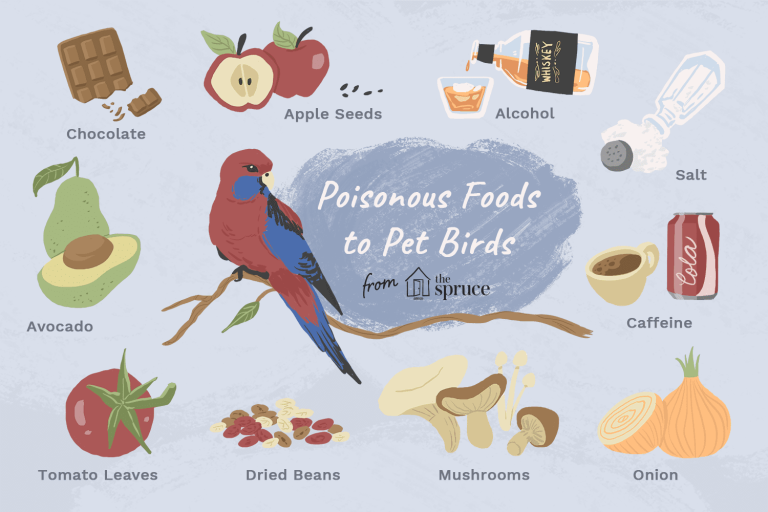
Mixing these foods creates a balanced diet. Always remember to wash produce well. Avoid toxic foods like avocado and chocolate. Offering variety keeps parrots happy and healthy.
FAQs
Can Parrots Safely Eat Mushrooms?
Yes, parrots can eat some mushrooms, but avoid wild varieties. Stick to safe, store-bought options.
What Types of Mushrooms Are Safe for Parrots?
Common safe mushrooms include button, shiitake, and portobello. Invariably, cook them lightly before feeding.
Are Raw Mushrooms Good for Parrots?
Raw mushrooms can cause digestive issues. Cooking them helps make them safer and easier to digest.
Can Mushrooms Harm Parrots?
Yes, some mushrooms are toxic. Constantly research before introducing new types to your parrot’s diet.
Final Tips!
Parrots can eat mushrooms, but caution is essential. Ever choose safe varieties and prepare them properly. Avoid toxic mushrooms, as they can harm your bird. Monitor your parrot’s reaction when introducing new foods.
A balanced diet will keep your feathered friend healthy and happy. Prioritize their safety with every meal choice.