Where Can I Take My Unwanted Rooster?
You can take your unwanted rooster to a local animal rescue, farm sanctuary, or poultry rehoming group. Many communities also have classifieds or online groups where you can find new homes for roosters.
Roosters can be a charming addition to a backyard farm, but they aren’t for everyone. Some people find that their crowing is disruptive, or they may face zoning restrictions. When you need to rehome a rooster, it’s essential to explore options that prioritize the animal’s well-being.
Many organizations specialize in rescuing and rehoming unwanted roosters. They provide a safe environment and often help find loving homes. Connecting with local farms or poultry enthusiasts can also lead to suitable solutions. Making informed choices benefits both you and the rooster.
Below, you know more on where can I take my unwanted rooster.
The Rooster Dilemma: Options for Rehoming
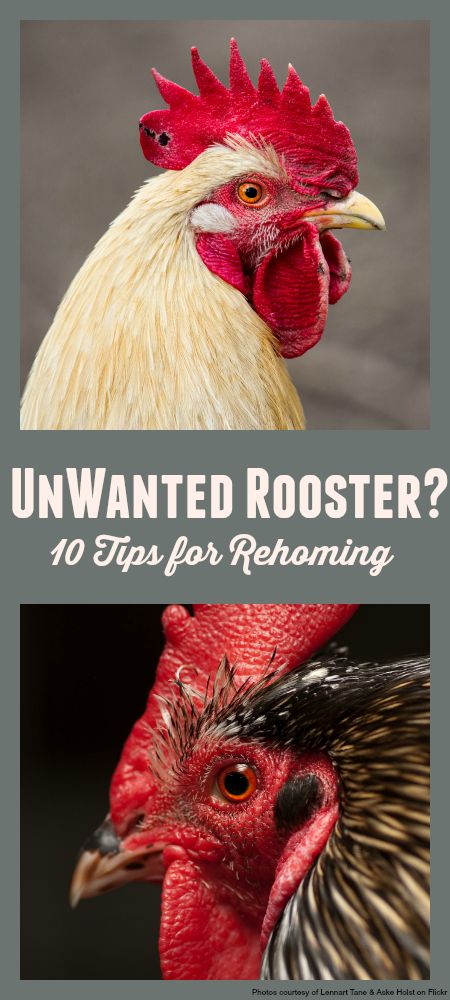
Credit: craftthyme.com
Keeping roosters can be a challenge for many reasons. Noise is a major concern for neighbors. Roosters are loud and crow at all hours. They can also be aggressive, especially during the mating season. This behavior can lead to injuries for other pets or even people.
Some people may also find that they cannot provide the right space for roosters. These birds need room to roam and forage. Without enough space, they can become stressed and unhealthy. Finding a new home for a rooster can be a responsible choice.
Many local farms or sanctuaries may accept unwanted roosters. Online groups or community boards often have listings for rehoming. It’s important to ensure that any new home is safe and caring.
Local Farm Sanctuaries: A Compassionate Choice
Local farm sanctuaries offer a safe haven for unwanted roosters. These places provide care, food, and shelter. Animals thrive in a loving environment. Roosters can live out their lives happily. Choosing a sanctuary shows compassion for animals in need.
Finding a nearby sanctuary is easy. Start by searching online for local farm sanctuaries. Social media groups can also help. Ask friends or family for recommendations. Many sanctuaries welcome calls or visits for information.
| Benefit | Description |
|---|---|
| Safe Environment | Roosters are protected from harm and neglect. |
| Quality Care | Experienced staff ensure proper food and health care. |
| Community Support | Sanctuaries often host events and engage with the public. |
Backyard Chicken Communities: Networking for Support
Backyard chicken communities offer great support for chicken owners. Many people share their experiences online. Joining online forums and groups helps connect with others who understand your situation.
These platforms allow you to ask questions and find advice. You can also share your unwanted rooster with others who may want it.
Local chicken-keeping clubs are another excellent option. These clubs often host events and meetings. Members can exchange tips and resources. They also provide a friendly environment for discussing unwanted roosters.
Connecting with local farmers may lead to finding a new home for your rooster. Many farmers appreciate the chance to add new birds to their flock.
Agricultural Programs: Educational Adoption
4-H Clubs and FFA (Future Farmers of America) offer great options for unwanted roosters. These programs focus on agriculture and animal care. They help teach kids about responsibility and teamwork.
Many schools partner with these clubs. They create a supportive space for students to learn. Students can adopt roosters for educational purposes. This helps ensure the roosters receive proper care.
Local clubs often hold meetings and events. These gatherings promote awareness of animal welfare. They encourage community involvement and support.
Adopting these programs can lead to lifelong friendships. Students gain valuable skills while caring for their roosters.
Veterinary Advice: Health And Behavioral Assessments
Consult a vet for health and behavioral assessments of your rooster. Signs of distress or illness need attention. Look for changes in eating habits or social behavior. These can signal a problem.
Behavioral training is important for roosters. Proper training can help reduce aggression. Use positive reinforcement techniques to encourage good behavior. Treats can motivate your rooster to learn.
Some key signs to consult a vet include:
| Signs | Action |
|---|---|
| Loss of appetite | Visit the vet |
| Excessive crowing | Behavior assessment |
| Isolation from flock | Check for illness |
Regulations To Consider: Legal Rehoming
Local ordinances vary by area. Check your city or county laws. Many places have rules about keeping roosters.
Some areas may require a permit. Others may ban roosters altogether. Make sure to know your local laws before rehoming.
Transportation of roosters also has guidelines. Use a secure crate for safety. Ensure proper ventilation during travel.
Keep the rooster calm during transport. Avoid loud noises and sudden movements. Check for any health issues before moving.
Always research local animal shelters and rescue groups. They often have resources for rehoming roosters.
Preparing Your Rooster for Relocation
Before relocating your rooster, conduct health checks. A vet can ensure your bird is healthy. Vaccinations help prevent diseases. Make sure your rooster is up-to-date on shots.
Socialization is important for your rooster. Spend time with him daily. This builds trust and comfort. Habituation helps him adjust to new environments. Gradually expose him to different sounds and sights.
Be patient during this process. Each rooster adjusts at his own pace. A well-prepared rooster is likely to adapt better.

Credit: www.reddit.com
Conclusion
Where can I take my unwanted Rooster? You could also take your unwanted rooster to a local animal rescue, farm sanctuary, or wildlife rehabilitation center. Most places do indeed take farm animals and house them in secure, caring environments.
Alternatively, you can inquire among close neighbors operating farms or poultry networks directly or through local news to see if anybody is looking to take the rooster in. Wherever you go, call ahead to ensure they can hold or take a rooster in.
FAQs About Unwanted Roosters
How to get rid of the neighbor’s rooster?
To get rid of your neighbor’s rooster, first try talking to your neighbor. Explain how the noise affects you and ask if they can move the rooster to a quieter area. If this doesn’t work, check local noise ordinances to see if there’s a legal solution. You could also install noise barriers or use earplugs to reduce the sound. If the issue persists, contact local authorities for further assistance.
Where to take unwanted chickens?
If you have unwanted chickens, consider donating them to a local farm or animal rescue organization. Most shelters and sanctuaries would take chickens that needed a new home. You may also call community farms or poultry breeders who could take them in. Sometimes, farms and homesteads will take chickens without charge.
What to do with unwanted roosters?
Rehome excess roosters: If you have extra roosters, find new homes for them. You could also call local farms, animal rescues, or even a neighbor who may want some. You can try calling poultry adoption groups. If all else fails, you will be forced to humanely slaughter them. Do not set loose into the wild since this puts both the birds and the environment at risk.
How to get rid of an unwanted rooster?
To get rid of an unwanted rooster, immediately separate it from the hens. Seek its rehoming through local farms, animal shelters, or online advertising. If one cannot rehome the animal, humane methods could include seeking animal control or a professional who can remove it safely. Another solution includes keeping it in a demarcated area away from the flock.
How to stop a neighbor’s rooster from crowing?
To deal with a neighbor’s rooster crowing, try talking to your neighbor about how the noise bothers you. They may be completely unaware of the issue. If talking does nothing, suggest that they can put the rooster in a quieter area or alter its environment. You can soundproof your windows or create white noise to mask the crowing sound. In extreme cases, check local noise ordinances for help.
Where can I take a rooster I don’t want?
You can take an unwanted rooster to a local animal shelter, farm sanctuary, or rescue organization that accepts poultry. Alternatively, reach out to nearby farms, community gardens, or neighbors who may be interested in keeping chickens. Some areas have poultry rehoming groups on social media or platforms like Craigslist. Ensure the rooster goes to a safe and caring environment.
What to do with an old rooster?
An old rooster can be repurposed in several ways. If no longer needed for breeding, consider using him for meat, as older roosters can still be flavorful in stews or soups. Alternatively, rehome him to a farm or sanctuary where he can live out his days. If he’s healthy and non-aggressive, he can remain a flock guardian or companion.
What to do with a bad rooster?
If you have a bad rooster that is aggressive or problematic, consider isolating it from the flock temporarily to assess its behavior. Ensure it has enough space and resources to reduce stress. If aggression persists, rehoming it to a farm or sanctuary may be an option. In extreme cases, humane culling might be necessary.
Related posts:
- 6 Best Vitamins for Gamefowl Conditioning | Boost Performance
- 5 Best Chicken Coops for 6 Chickens (Review & Buying Guide)
- 6 Best Water Feeders for Chickens That Keep Them Hydrated
- Top 3 Best Chicken Feeders to Prevent Rats | Keep Feed Safe
- 5 Best Chicken Coops for 10 Chickens: Top-Rated Designs
- 10 Best Roosting Bars for Chickens – Top Picks for Coops
- 6 Best Vitamins for Fighting Rooster (Top Picks for Strength)