How to Catch a Pigeon? Expert Tips & Tricks
To catch a pigeon, use a bait trap or a net. Ensure you place it in an area where pigeons frequently gather.
Pigeons are common in urban areas, often seen pecking at food scraps. Catching them can be challenging but rewarding. Understanding their behavior is key to success. Pigeons tend to flock together and return to familiar spots. This knowledge allows you to choose the best location for your trap.
Using food as bait, such as seeds or bread, can attract them effectively. Always approach the situation with patience, as rushed movements may scare them away. By employing the right techniques, you can successfully catch a pigeon without harming it, making the process humane and efficient.
What Is Pigeon Trapping?
Pigeon trapping is a popular practice among bird enthusiasts. Catching pigeons can help control their population. It also allows for the study of these fascinating birds. Learning the right techniques makes trapping easier and more effective.
The Allure of Pigeon Catching
Pigeon catching has many appealing aspects:
- Enjoyment: It’s fun to interact with wildlife.
- Learning: Observing pigeons teaches about their behavior.
- Conservation: Helps maintain a balanced ecosystem.
- Food source: Some cultures use pigeons for food.
Pigeons are intelligent birds. They can adapt to various environments. This adaptability makes them intriguing to catch and study.
Ethical Considerations
Trapping pigeons raises important ethical questions. It’s crucial to prioritize the birds’ welfare. Here are key ethical points:
- Humane methods: Use traps that do not harm the pigeons.
- Legal regulations: Follow local laws on trapping.
- Release practices: Consider releasing pigeons in safe areas.
Respecting wildlife is vital. Always strive to minimize stress for the birds. Trapping should be conducted responsibly and thoughtfully.
Essential Equipment for Pigeon Catching
Credit: www.pigeonrescue.org
Catching pigeons requires the right tools and strategies. Using proper equipment increases success rates. Here’s a breakdown of what you need.
Choosing The Right Trap
Selecting the right trap is crucial for effective pigeon catching. Different traps serve various purposes. Here are some options:
| Type of Trap | Best For | Pros | Cons |
|---|---|---|---|
| Live Trap | Catching multiple pigeons | Humane, reusable | Requires monitoring |
| Net Trap | Surrounding a flock | Quick capture | Can scare away birds |
| Decoy Trap | Attracting pigeons | Effective with decoys | May need frequent baiting |
Bait And Lure Essentials
The right bait attracts pigeons effectively. Here are some popular bait options:
- Seeds: Sunflower and millet work well.
- Bread: Crusts and stale bread attract pigeons.
- Grains: Rice and corn can be effective.
Using a combination of these baits enhances your chances. Place bait inside the trap. Ensure it’s visible but secure. This will draw pigeons in without alerting them.
Ideal Locations for Setting Traps
Finding the right spot is crucial for catching pigeons. Certain locations attract pigeons more than others. Identifying these areas helps increase your chances of success.
Urban Vs Rural Settings
Both urban and rural settings have unique features. Each offers different advantages for trapping pigeons.
- Urban Settings:
- High population density of pigeons.
- Access to food sources like parks and plazas.
- Structures like rooftops and ledges serve as resting spots.
- Rural Settings:
- Open fields can attract pigeons.
- Less human interference allows for easier trapping.
- Natural food sources like grain fields are abundant.
Identifying Pigeon Hotspots
Hotspots are areas where pigeons gather frequently. Recognizing these locations enhances trapping efficiency.
| Hotspot Type | Description |
|---|---|
| Feeding Areas | Locations with food, like parks or streets. |
| Nesting Sites | Buildings, bridges, or trees where pigeons nest. |
| Water Sources | Ponds or fountains that provide drinking water. |
| Resting Spots | Rooftops, ledges, or utility wires for resting. |
Observe these locations during different times of the day. Early mornings and late afternoons are best. Look for signs of activity, like droppings or feathers. This helps ensure a successful trapping experience.
Setting The Trap: A Step-by-step Guide
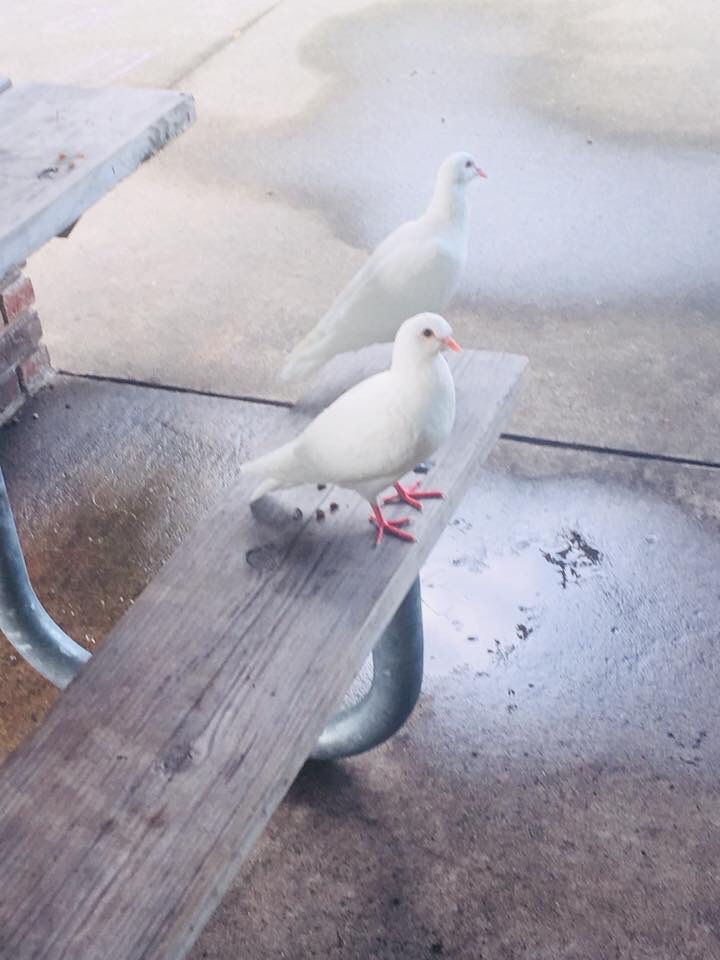
When it comes to catching a pigeon, setting up an effective trap is crucial. Here is a step-by-step guide on how to do it successfully.
Preparing The Trap
- Gather necessary materials: wire mesh, string, birdseed.
- Cut wire mesh into a square shape for the trap base.
- Form the mesh into a box shape and secure with string.
- Create a door that can be opened and closed easily.
Placement And Positioning
- Locate areas where pigeons frequent.
- Place trap in a quiet spot with birdseed as bait.
- Ensure trap is stable and won’t move easily.
- Check trap regularly for any captured pigeons.
Baiting Strategies That Work
Effective baiting is crucial for catching pigeons. The right bait attracts pigeons quickly. Use fresh and appealing options for the best results. Let’s explore how to choose bait and where to place it.
Selecting The Right Bait
Choosing the right bait is essential. Here are some popular options:
- Seeds: Sunflower seeds work well.
- Grains: Oats and corn are also effective.
- Breadcrumbs: Crushed bread can attract pigeons.
- Fruits: Apples and berries can be enticing.
Fresh bait is more appealing. Avoid stale or spoiled options. Check for local preferences too. Some pigeons may prefer specific seeds or grains.
Bait Placement Techniques
Where you place your bait matters greatly. Follow these techniques for success:
- High-traffic areas: Place bait where pigeons often visit.
- Near water sources: Pigeons need water, so set bait nearby.
- Safe spots: Choose locations away from predators.
- Visible locations: Ensure bait is easily seen by pigeons.
Spread bait over a wide area. This increases the chances of attracting pigeons. Use a small table to show bait placement tips:
| Placement Area | Key Features |
|---|---|
| Park benches | High foot traffic |
| Building ledges | Safe and elevated |
| Sidewalks | Visible and easy access |
| Near gardens | Natural food sources |
Experiment with different placements. Observe which spots attract the most pigeons. Adjust your strategy based on their behavior.
Timing Is Everything
Successful pigeon trapping depends heavily on timing. Understanding when to set traps can make a significant difference. Knowing pigeon behavior and the best times for trapping can lead to more effective results. Follow these guidelines to enhance your trapping success.
Understanding Pigeon Behavior
Pigeons are social creatures. They often follow routines. Observing their habits helps in trapping. Here are some behaviors to note:
- Pigeons prefer to feed in groups.
- They are most active during dawn and dusk.
- Pigeons return to familiar roosting spots.
Recognizing these patterns will aid in effective trapping.
Best Times for Trapping
Timing your trapping efforts is crucial. The following table outlines the optimal times:
| Time of Day | Activity Level | Best Trapping Strategy |
|---|---|---|
| Dawn | High | Set traps before sunrise |
| Midday | Low | Check traps; adjust bait |
| Dusk | High | Replenish bait; set traps |
Focus on the early morning and late evening hours. These are peak times for pigeon activity.
By understanding pigeon behavior and choosing the right times, you can improve your chances of a successful catch.
Safety Measures And Humane Practices
When catching pigeons, prioritize their safety and well-being. Using humane techniques prevents harm to the birds. Proper handling ensures a stress-free experience for both you and the pigeon.
Handling Caught Pigeons
Handling pigeons requires care and gentleness. Follow these steps to ensure safe handling:
- Wear gloves to protect your hands.
- Hold the pigeon gently but firmly.
- Support their body, especially the wings.
- Avoid squeezing too tightly.
Use a calm voice. This helps soothe the bird. Avoid sudden movements. This reduces stress for the pigeon.
Health And Safety Precautions
Taking health and safety precautions is vital. Here are essential tips:
| Precaution | Description |
|---|---|
| Wash hands | Always wash your hands before and after handling. |
| Wear protective gear | Use gloves to avoid direct contact. |
| Check for injuries | Look for any signs of distress or injury. |
| Use a safe area | Catch pigeons in a calm and quiet space. |
Monitor your surroundings. Ensure no other animals can harm the pigeon. Stay alert to any risks.
After The Catch: Next Steps
Capturing a pigeon is just the first step. Proper care and relocation are crucial. Follow these guidelines to ensure a safe outcome for the pigeon.
Relocation Strategies
Relocating a pigeon requires careful planning. Here are effective strategies:
- Choose a safe location: Select a quiet area away from traffic.
- Time of release: Early morning or late evening works best.
- Use a carrier: A secure cage helps during transport.
- Monitor surroundings: Ensure no predators are nearby.
Consider these points:
| Factor | Best Practices |
|---|---|
| Distance | At least 5 miles from capture point |
| Weather | Preferably sunny and calm |
| Feeding | Provide food during transport |
Caring For A Trapped Pigeon
Proper care ensures the pigeon’s well-being. Follow these steps:
- Provide water: Fresh water is essential.
- Feed appropriately: Use birdseed or grains.
- Keep it calm: Minimize noise and movement.
- Check for injuries: Look for any visible wounds.
Remember these tips:
- Handle gently to avoid stress.
- Keep the environment clean.
- Consult a vet if needed.
Following these steps aids in the pigeon’s recovery and relocation.
Common Challenges And Solutions
Catching pigeons can be tricky. You may face various challenges. Understanding these issues helps in finding effective solutions.
Dealing With Smart Pigeons
Smart pigeons can outsmart traps. They observe and learn from their environment. Here are some tips to catch these clever birds:
- Change trap location: Move traps to new areas frequently.
- Use decoys: Place fake pigeons near traps to attract them.
- Vary bait: Use different types of food to entice them.
- Limit feeding: Reduce food sources in the area to draw them in.
Implementing these strategies can help overcome the intelligence of pigeons. Patience is key. It may take time to catch them.
Troubleshooting Trap Issues
Sometimes, traps may not work as expected. Common problems include:
| Issue | Solution |
|---|---|
| Trap not closing | Check the mechanism. Clean any debris. |
| Wrong bait | Use seeds or grains that pigeons love. |
| Trap placement | Ensure traps are in high-traffic areas. |
| Noise or disturbance | Place traps in quiet, low-traffic spots. |
Regular maintenance of traps is essential. Check for wear and tear. A well-maintained trap catches more pigeons.
Legal Considerations And Regulations
Catching pigeons requires knowledge of local laws. Ignoring these laws can lead to fines or legal issues. Always research regulations in your area before attempting to catch pigeons.
Local Wildlife Laws
Many regions have specific laws about capturing wildlife. Pigeons may be protected or considered pests. Check your local wildlife laws for guidance.
- Research local wildlife agencies.
- Understand the status of pigeons in your area.
- Stay updated on any changes in regulations.
Permits And Legal Requirements
Some areas require permits for capturing pigeons. Obtaining a permit ensures compliance with laws. Here’s a simple guide to help you:
| Step | Action |
|---|---|
| 1 | Contact local wildlife agency. |
| 2 | Request information on permits. |
| 3 | Submit required documents. |
| 4 | Wait for approval. |
Always keep your permit on hand. Failure to do so can result in penalties. Respect local laws to ensure safe and legal pigeon catching.
Advanced Techniques for The Avid Trapper
For the serious pigeon trapper, advanced techniques can lead to success. These methods improve your chances of capturing pigeons efficiently. Mastering these strategies can make a difference.
Electronic Trapping Devices
Electronic trapping devices offer innovative solutions for pigeon control. These devices use technology to attract and trap pigeons effectively.
- Automated traps: These open and close automatically.
- Sound devices: Mimic pigeon calls to attract them.
- Infrared sensors: Detect pigeon movement for quick trapping.
Choosing the right electronic device can enhance your trapping experience. Here’s a table comparing popular electronic trapping devices:
| Device Type | Features | Price Range |
|---|---|---|
| Automated Trap | Self-setting, remote control | $100 – $300 |
| Sound Device | Authentic calls, battery-operated | $50 – $150 |
| Infrared Sensor Trap | Fast activation, weatherproof | $200 – $400 |
Collaborating With Pigeon Control Professionals
Working with pigeon control professionals can boost your success. These experts understand pigeon behavior and effective trapping methods.
- Assessment: Professionals evaluate the area for pigeon activity.
- Customized plans: They create tailored strategies for trapping.
- Safe practices: Experts ensure humane trapping methods.
Collaboration can provide valuable insights. Consider the following benefits:
- Access to specialized equipment.
- Expert knowledge of local pigeon habits.
- Improved chances of effective trapping.
Investing in professional help can save time and effort. It can lead to better results in your trapping endeavors.

Credit: m.youtube.com
Credit: www.pigeonrescue.org
Frequently Asked Questions
How Can I Catch A Pigeon Easily?
To catch a pigeon, use a humane trap or net in a secluded area. Luring them with birdseed can also be effective.
What Bait Is Best For Catching Pigeons?
Pigeons are attracted to seeds and grains, making them ideal bait options. Sunflower seeds and cracked corn work well.
Is It Legal To Catch Pigeons In My Area?
Check local wildlife regulations before attempting to catch pigeons. Some areas may require permits or have specific rules in place.
How Can I Release A Caught Pigeon Safely?
Handle the pigeon gently, covering its eyes to keep it calm. Release it in a quiet, open area away from predators.
Final Tips for how do you catch a pigeon?
To catch a pigeon, first, gather some birdseed or corn to attract it. Set up a small cage or a box nearby, propping it open with a stick. Place the food inside to lure the pigeon in. Be patient and quiet, as sudden movements can scare it away.
Once the pigeon enters the cage for the food, gently remove the stick to trap it inside. Cover the cage with a cloth to keep it calm. Finally, relocate the pigeon to a safe area away from busy streets or predators.
Happy Pigeon catching!