How Much Is An Angora Rabbit? [A to Z Checklist]
An Angora rabbit typically costs between $50 and $200, depending on age, breed, and quality. Prices may vary, but these fluffy companions are generally affordable for those interested in bringing one home as a pet. Keep in mind that additional expenses, such as grooming and maintenance, should also be considered when budgeting for an Angora rabbit.
The Diverse Types of Angora Rabbits
Angora rabbits come in various breeds, each with its own set of characteristics. The English Angora, French Angora, Satin Angora, and Giant Angora all boast unique traits. They make it essential for prospective owners to choose the breed that aligns with their preferences and lifestyle.
1. English Angora
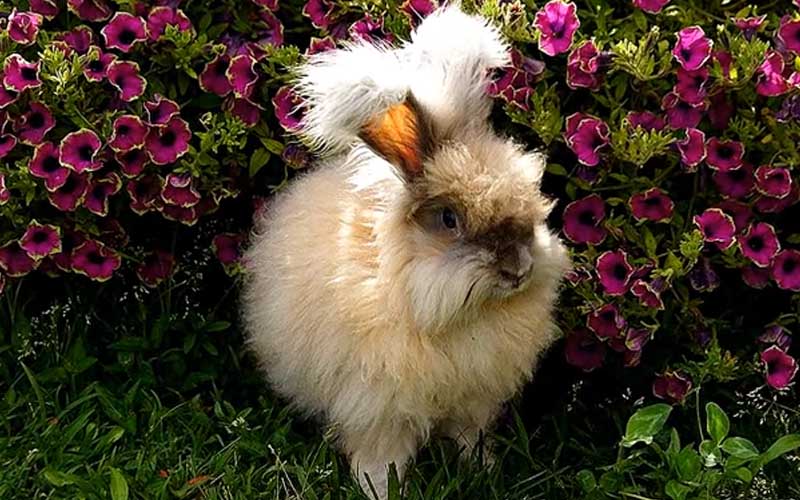
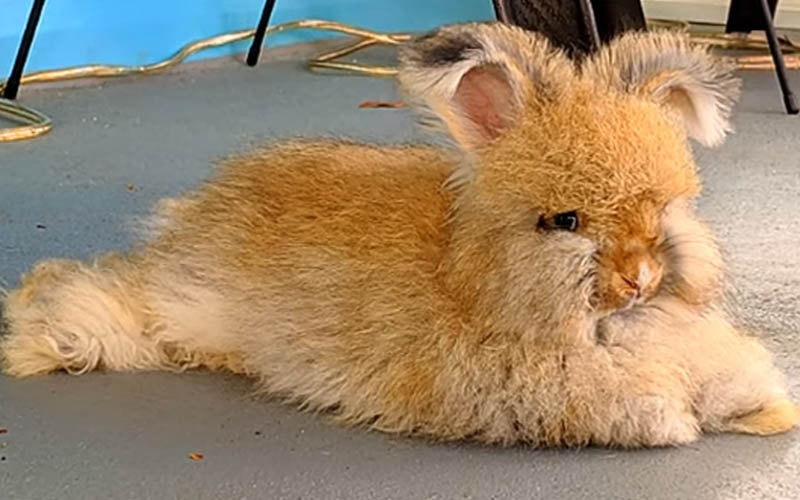
The English Angora, renowned for its long, silky fur, is a beloved breed among rabbit enthusiasts. When assessing the price, one must consider the pedigree and lineage, as show-quality rabbits tend to command higher prices. On average, a well-bred English Angora can range from $75 to $200.
2. French Angora
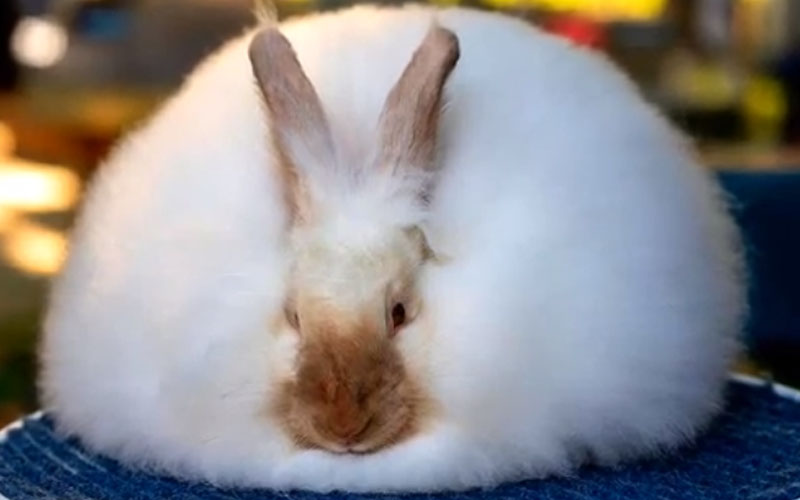
The French Angora, distinct with its compact size and wooly coat, presents another facet of Angora rabbit allure. Prices for French Angoras can vary widely based on age, color, and breeder reputation. Generally, one can expect to invest between $50 to $150 for a French Angora companion.
3. Satin Angora
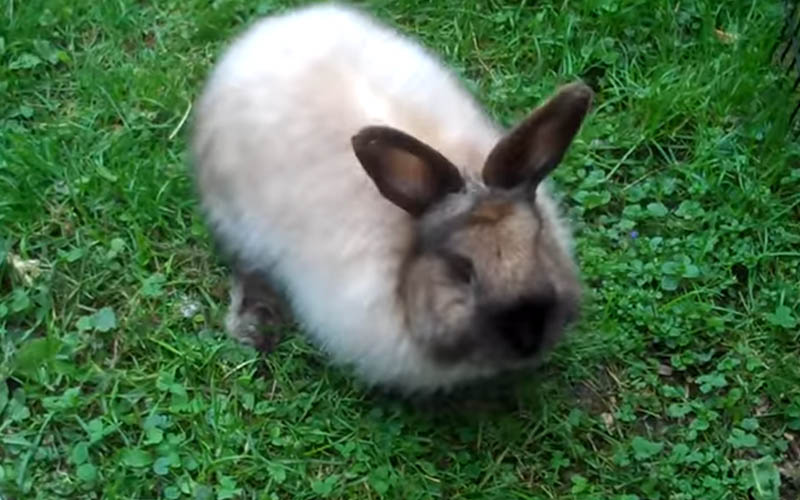
The Satin Angora, known for its shiny and satin-like fur, exudes elegance. Prices for Satin Angoras can fluctuate based on coat quality and color variations. Potential Angora enthusiasts may find themselves parting with $80 to $250 for a Satin Angora rabbit.
4. Giant Angora
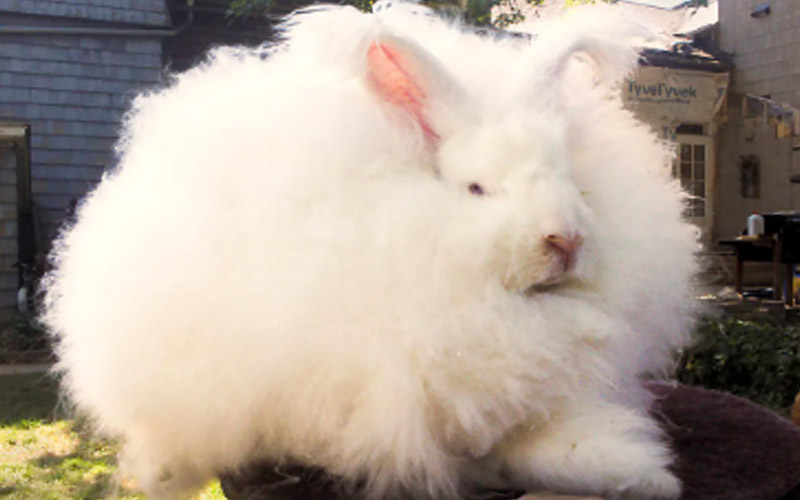
Giant Angora, it’s crucial in the cost associated with their size and grooming needs. The initial investment can range from $100 to $300, depending on lineage, color, and breeder reputation. This price reflects the unique qualities and distinctive characteristics that come with these impressive rabbits.
Influencing Factors on Angora Rabbit Pricing
The pricing of Angora rabbits is influenced by a multitude of factors that encompass various aspects such as breed quality, age, health, and even the geographic location of the breeder. These 10 factors are crucial for both sellers and buyers in navigating the dynamic market of Angora rabbits.
1. Breed Quality
The foremost factor determining the price of an Angora rabbit is its breed quality. High-quality breeds, known for their luxurious and fine wool, often command a premium in the market. Buyers seeking top-notch Angoras look for specific breeds that exhibit desirable characteristics such as dense, silky fur and a healthy physique.
2. Wool Quality
The primary reason many individuals are drawn to Angora rabbits is their luxurious wool. The quality of the wool significantly impacts the pricing. Rabbits producing finer, softer, and more abundant wool are generally valued higher. Breeders invest time and effort in selectively breeding rabbits to enhance wool quality, and this effort is reflected in the price of the rabbit.
3. Age of the Rabbit
Age plays a pivotal role in pricing. Young Angora rabbits, often referred to as kits, are generally less expensive than mature adults. This is partly because kits haven’t reached their full potential in terms of wool production, and buyers may need to wait for the rabbit to mature. On the other hand, mature rabbits with a proven track record of producing high-quality wool may be priced higher.
4. Health and Genetics
The health and genetic background of an Angora rabbit significantly influence its price. Buyers are willing to pay a premium for rabbits with good health records and a strong genetic lineage. A rabbit with a history of genetic disorders or poor health may be priced lower, as buyers may anticipate potential veterinary expenses.
5. Color and Markings
The aesthetics of an Angora rabbit, including its color and markings, can impact its price. Some colors and patterns are rarer and more sought after, leading to higher prices. Breeders who specialize in producing rabbits with unique or rare colorations may command higher prices for their stock.
6. Geographic Location
The location of the breeder can also influence pricing. In areas where Angora rabbits are in high demand but low supply, prices tend to be higher. Additionally, transportation costs can affect the overall price, as buyers may need to expenses related to transporting the rabbit from the breeder to their location.
7. Reputation of the Breeder
The reputation of the breeder plays a crucial role in setting prices. Established breeders with a track record of producing high-quality Angora rabbits may command higher prices for their stock. Buyers often look for reputable breeders known for ethical practices and healthy rabbits.
8. Market Demand
Like any commodity, the law of supply and demand influences Angora rabbit prices. When there is a high demand for these rabbits and a limited supply, prices tend to rise. Conversely, an oversupply in the market can lead to lower prices. Breeders and buyers should stay attuned to market trends to make informed decisions.
9. Training and Socialization
The level of training and socialization the rabbit has received can impact its price. Well-behaved and socialized rabbits may be priced higher, as they are often easier to handle and integrate into new homes. Breeders who invest time in training their rabbits may reflect this in the pricing structure.
10. Registration and Pedigree
For those interested in participating in rabbit shows or breeding programs, the rabbit’s registration and pedigree can significantly influence its price. Registered rabbits with documented pedigrees from reputable rabbitry organizations may be priced higher due to the assurance of their lineage.
How Much Does an Angora Rabbit Cost Per Month?
Keeping an Angora rabbit as a pet can be a delightful experience, but it also comes with its share of responsibilities and costs. To ensure the well-being of your fluffy companion, it’s essential to consider various factors that contribute to the monthly expenses of caring for an Angora rabbit.
1. Initial Setup Costs
Before diving into monthly expenses, it’s crucial to address the initial setup costs. This includes purchasing a suitable rabbit hutch or cage, bedding material, food and water bowls, grooming tools, and toys. The initial investment can range from $100 to $300, depending on the quality and size of the items you choose.
2. Monthly Food Expenses
The primary diet of an Angora rabbit consists of high-quality hay, fresh vegetables, and specially formulated rabbit pellets. Hay is a crucial part of their diet as it aids in digestion and keeps their teeth healthy. On average, you can expect to spend around $20 to $30 per month on hay, and another $10 to $20 on pellets. Fresh vegetables, a vital source of vitamins, may cost an additional $10 to $15 monthly.
3. Healthcare Costs
Regular veterinary check-ups are essential to monitor the overall health of your Angora rabbit. Vaccinations, parasite prevention, and dental care are part of the healthcare routine. Budgeting around $20 to $40 per month for veterinary expenses is advisable. However, unexpected health issues may arise, so it’s wise to have an emergency fund for potential medical bills.
4. Grooming Expenses
Angora rabbits have long, silky fur that requires regular grooming to prevent matting and keep them comfortable. Grooming tools such as brushes and combs are necessary for this breed. Allocating $10 to $20 per month for grooming supplies ensures that your Angora’s coat stays in optimal condition.
5. Litter and Bedding
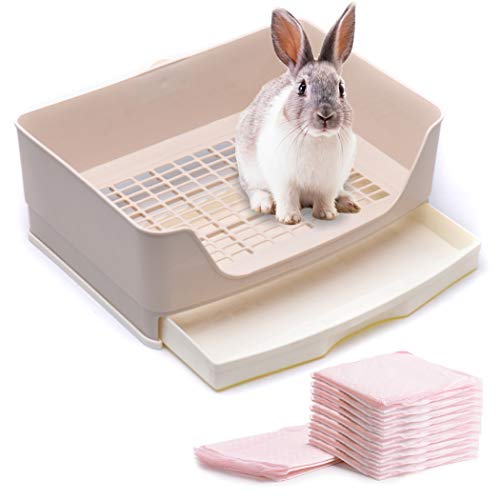
Maintaining a clean living environment is crucial for the health and well-being of your rabbit. Bedding materials such as hay, straw, or paper-based litter are essential for absorbing waste and controlling odors. Budgeting around $15 to $20 per month for these materials helps maintain a hygienic living space for your furry friend.
6. Toys and Enrichment
Angora rabbits are intelligent and curious animals that benefit from mental stimulation and physical activity. Investing in toys and enrichment activities helps prevent boredom and promotes a happy, healthy rabbit. Budgeting $10 to $15 per month for toys and activities is a worthwhile expense to ensure your rabbit remains active and engaged.
7. Utilities
The environment in which your Angora rabbit lives should be kept at an appropriate temperature. This might result in slightly higher utility bills, especially during extreme weather conditions. Factoring in an additional $10 to $15 per month for heating or cooling expenses is a prudent approach to maintaining a comfortable living space for your pet.
8. Insurance
While not all rabbit owners opt for pet insurance, it’s worth considering for unexpected veterinary costs. Monthly insurance premiums for rabbits can range from $10 to $20, depending on the coverage and the age and health of your rabbit.
9. Training and Socialization
Proper training and socialization are vital for Angora rabbits, as it helps build a strong bond between you and your pet. Training aids and treats may cost around $10 to $15 per month. Additionally, spending time interacting with your rabbit is a valuable investment in fostering a happy and well-behaved companion.
10. Miscellaneous Expenses
Miscellaneous expenses can include items such as nail clippers, a carrier for transportation, and any other unforeseen costs. Allocating an extra $10 to $15 per month for miscellaneous items ensures that you are prepared for any unexpected needs that may arise.
How Do You Care For An Angora Rabbit?
Here’s a list of supplies you’ll need for caring for an Angora rabbit along with their estimated costs:
- Hutch or Cage: Provide a comfortable living space for your rabbit. A basic cage can cost around $50 to $100, while a larger hutch might range from $100 to $300.
- Bedding: Use hay or straw as bedding, costing approximately $10 to $20 per month.
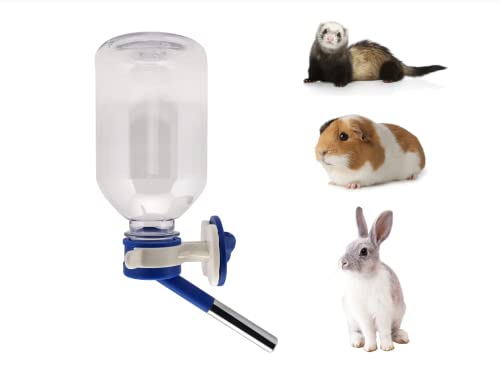
- Water Bottle: Ensure a clean and reliable water source with a water bottle, priced at $5 to $15.
- Food Bowl: A sturdy ceramic or metal food bowl costs around $5 to $10.
- Pellet Food: Offer a balanced diet with rabbit pellets, averaging $10 to $20 per month.
- Fresh Vegetables and Fruits: Provide fresh produce for a healthy diet, costing about $20 to $30 per month.
- Grooming Supplies: Keep your Angora’s coat in top condition with a slicker brush ($5 to $15), grooming scissors ($10 to $20), and a comb ($5 to $10).
- Nail Clippers: Trim your rabbit’s nails regularly using nail clippers, priced at $5 to $10.
- Toys: Keep your rabbit entertained with toys like tunnels, balls, or chew toys, which can cost around $10 to $20.
- Veterinary Care: Budget for annual check-ups and vaccinations, which may range from $50 to $100 per year.
Related: How To Keep Rabbit’s Nails Short Without Cutting?
Where to Buy Angora Rabbits?
Reputable Breeders:
When choosing an Angora rabbit, opt for reputable breeders known for their ethical practices. These breeders prioritize the well-being of their rabbits, ensuring a healthy and happy start for your future pet.
Look for breeders with a solid reputation, as they provide transparency about the rabbit’s lineage, health history, and living conditions. This guarantees that you’re welcoming a well-cared-for and socially adjusted Angora rabbit into your home.
Rescue Organizations:
Rescue organizations actively save and rehome Angora rabbits, offering a chance for these fluffy companions to find loving families. These organizations rescue rabbits from various situations, ensuring they receive proper care and a second chance at happiness.
If you’re considering bringing an Angora rabbit into your home, explore adoption through rescue organizations. Not only provides a caring environment for these animals but also contributes to the larger effort of animal welfare.
FAQ
Angora rabbits typically live for about 7 to 12 years. Their lifespan depends on diet, healthcare, and living conditions.
Angora rabbit fur is relatively expensive. The high cost is due to the labor-intensive process of harvesting the soft and luxurious wool from Angora rabbits. Additionally, the limited availability and high demand for this premium material contribute to its elevated price in the market.
An Angora rabbit makes a great pet! These fluffy companions are affectionate and thrive on human interaction. They’re low-maintenance, requiring regular grooming to keep their luxurious fur in check. With a gentle nature, Angora rabbits are suitable for families and individuals alike, providing cuddly companionship.
You can adopt Angora rabbits through various channels. Check local shelters, rescue organizations, or online platforms like pet adoption websites. Many fluffy companions are looking for loving homes.