Do Rabbits Eat Mice? Mouse On The Menu!
Rabbits generally do not eat mice. Rabbits are herbivores, meaning they primarily consume plants and vegetables. Their diet consists of hay, vegetables, and pellets. Mice, being small animals, are not a natural part of a rabbit’s diet.
Rabbits, those adorable and fluffy pets, are known for their seemingly innocent and herbivorous diet.
However, there’s a curiosity that occasionally arises among pet owners and enthusiasts – do rabbits eat mice? We discussed this today.
Know about Rabbit Behavior
# Territorial Instincts
Rabbits have a natural inclination to claim and protect their space, a behavior rooted in their territorial instincts.
In the wild, this ensures survival by establishing safe areas for feeding and shelter. In our homes, pet rabbits exhibit similar tendencies.
They may mark their territory by chewing or digging. Understanding and respecting these territorial instincts is vital for a harmonious relationship with your rabbit.
# Impact of Domestication
In the process of becoming our beloved house pets, rabbits undergo domestication, altering their behaviors from their wild ancestors.
This transformation impacts their daily lives, making them more attuned to human environments. Domesticated rabbits may still exhibit some instincts, like exploring new tastes, such as attempting to eat mice.
Do Rabbits Eat Mice? – Read More Details
No, rabbits should not eat mice. It’s not safe or healthy for them. Rabbits are herbivores, which means they primarily eat plants like hay, vegetables, and pellets.
Mice are a completely different type of animal with a diet that includes meat. Feeding mice to rabbits can lead to digestive issues and other health problems.
Stick to a diet that suits rabbits, providing them with the right balance of nutrients to keep them happy and healthy. If you have concerns about your rabbit’s diet, consult with a veterinarian for proper guidance.
Natural Diet of Rabbits
| Food Type | Description |
|---|---|
| High-Quality Hay | Essential for fiber intake, aids in digestion. |
| Fresh Grass | The primary source of nutrients supports dental health. |
| Leafy Vegetables | Supplemental greens offer vitamins and minerals. |
| Fresh Fruits | Moderation is key and provides additional nutrients. |
| Commercial Rabbit Pellets | The balanced mix of nutrients, in appropriate amounts. |
Rabbits, in their natural surroundings, stick to a diet that’s simple yet essential for their well-being. They actively munch on grasses and hay, which serve as the cornerstone of their meals.
These fibrous delights aid in their digestion and keep those bunny teeth in top shape. Rabbits are wired to thrive on an herbivorous menu, focusing on natural vegetation to sustain their health.
Unusual Eating Habits in Domesticated Rabbits
Domesticated rabbits, despite their reputation as herbivores, can sometimes showcase unexpected eating behaviors. It’s not uncommon for these fluffy companions to explore non-traditional food items, including mice.
This peculiar behavior may stem from a mix of curiosity and retained wild instincts. Pet owners often find their rabbits nibbling on various objects, raising questions about their dietary preferences.
Health Implications
It can harm health when rabbits stray from their typical herbivorous diet and eat unexpected foods like mice.
Their delicate digestive systems struggle to process non-traditional foods, leading to potential issues like upset stomachs and nutritional deficiencies.
This peculiar eating behavior may expose rabbits to harmful substances, risking their overall well-being.
What Do Rabbits Normally Eat?
Below is a simple table outlining the daily diet of rabbits:
| Food Category | Portion Size | Frequency |
|---|---|---|
| High-Quality Hay | Unlimited | Throughout the day |
| Fresh Vegetables | 1 cup per 2 pounds of body weight | Daily |
| Fruits | Limited, 1-2 tablespoons | 2-3 times per week |
| Commercial Rabbit Pellets | 1/8 to 1/4 cup per 5 pounds | Daily |
| Fresh Water | Always available | Refill as needed |
Hay and Grass
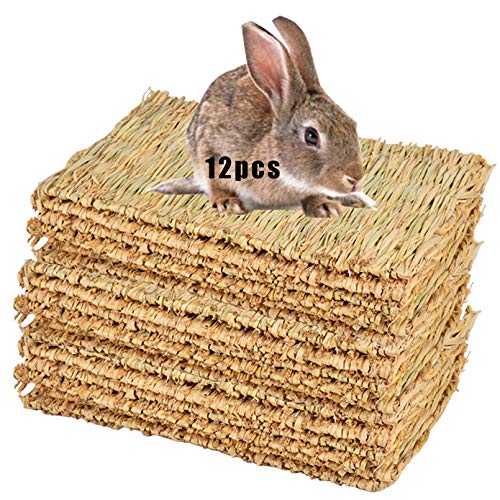
Hay and grass take the spotlight as crucial dietary components. These fibrous wonders play an active role in maintaining your bunny’s digestive health and promoting those adorable bunny hops.
Hay, like a natural toothbrush, helps grind down those ever-growing teeth, preventing dental issues. Meanwhile, grass provides the necessary fiber for a robust digestive system, ensuring your furry friend stays happy and healthy.
Make hay and grass a staple in your rabbit’s diet to keep those whiskers twitching with delight.
Vegetables and Fruits
Providing a colorful variety of fruits and vegetables in your rabbit’s diet is similar to feeding them a tasty feast.
These fresh goodies are packed with essential vitamins and nutrients, contributing to your bunny’s overall health and happiness.
Imagine your fluffy friend munching on crisp carrots, leafy greens, and the occasional sweet treat like apple slices. Just like humans, rabbits relish the burst of flavors and benefits from these natural snacks.
Commercial Rabbit Pellets
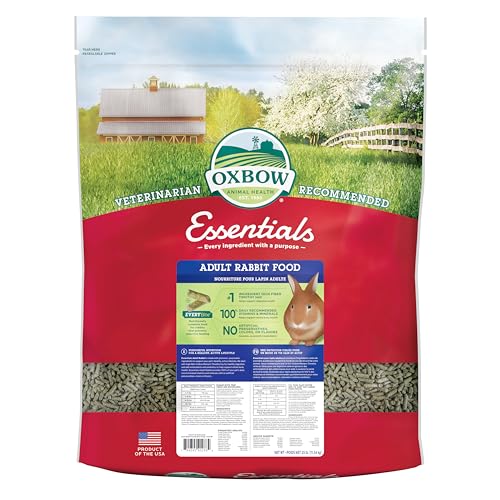
Investing in commercial rabbit pellets is like providing a customized nutrition plan for your bunny buddy. These specially formulated pellets are packed with all the essential nutrients your rabbit needs to stay healthy and happy.
From fiber for smooth digestion to vital vitamins, these pellets ensure your fluffy companion gets a well-rounded diet.
Make these pellets a staple in your rabbit’s daily meals, balancing their diet with ease and simplicity. Your rabbit will hop with joy at the tasty and nutritious boost these pellets bring to their bowl.
Why Would Rabbits Eat Mice?
1. Lack of Proper Nutrition
Ensuring your furry friend gets the right nutrients is paramount. The lack of a well-rounded diet can be a trigger for unconventional behaviors, such as nibbling on mice.
Here’s a breakdown of how insufficient nutrition can lead to such peculiar habits:
- Vital Nutrient Deficiencies: When rabbits miss out on essential nutrients like fiber, vitamins, and minerals, their bodies signal a nutritional void that might prompt them to explore alternative food sources.
- Craving Diversity: Like any creature, Rabbits appreciate variety in their diet. A monotonous food routine may leave them craving new tastes, pushing them to sample unconventional items, including mice.
- Behavioral Responses: The body’s natural response to nutritional gaps can manifest in behavioral changes. In the quest for missing nutrients, rabbits may exhibit curious eating habits, venturing beyond their typical herbivorous choices.
2. Instinctual Behavior
Despite our cuddly companions being domesticated, their primal instincts sometimes surface. Rabbits, by nature, are explorers, and their curiosity can extend to tasting unfamiliar things.
This includes the occasional nibble on mice. This behavior harkens back to their wild ancestry, where the quest for different foods was essential for survival.
So, if you catch your bunny indulging in mouse-munching antics, it’s likely their instinctual curiosity at play.
3. Environmental Factors
the environment plays a pivotal role in shaping dietary habits. Stress and boredom in unfavorable living conditions can lead to surprising behaviors in rabbits, such as trying to nibble on mice.
Just like humans, rabbits crave an engaging and comfortable environment. By ensuring a stress-free and enriched living space, pet owners can mitigate the likelihood of their furry friends exploring unconventional and potentially harmful dietary choices.
A happy bunny is a well-behaved bunny, and a thoughtfully designed environment goes a long way in preventing mice from becoming an unintended part of their menu.
Risks and Concerns
- Health Risks for Rabbits
There are major health risks when rabbits stray from their native diet. Diarrhea and upset stomach are common digestive issues.
Lack of essential nutrients weakens their immune system, making them vulnerable to illnesses. Moreover, unconventional eating habits may lead to toxicity, harming their overall well-being.
Responsible pet owners must be vigilant, as these health risks can compromise the happiness and longevity of their furry companions.
- Potential Dangers for Pet Owners
As caring guardians of our furry friends, we must be aware of the potential hazards linked to rabbits attempting to eat mice. One prominent concern is the transmission of diseases.
When rabbits explore their predatory instincts, there’s a risk of diseases being transmitted from the mice to the rabbits and, consequently, to their human caretakers.
It’s crucial to understand that direct contact or even proximity to mice-eating behavior can pose health risks.
How to Prevent Rabbits from Eating Mice?
1. Providing a Balanced Diet
To ensure your rabbit’s well-being and deter them from unconventional eating habits like mice consumption, focus on delivering a nutritionally rich and well-rounded diet.
Here’s how you can provide a balanced diet for your furry friend:
- Hay Galore: Make sure your rabbit has an abundant supply of high-quality hay. It aids digestion, keeps teeth in check, and provides essential fiber.
- Veggie Delight: Introduce a variety of fresh vegetables into their diet. Carrots, leafy greens, and bell peppers add essential nutrients.
- Fruity Treats: Offer fruits like apples and berries in moderation. They provide a tasty supplement but should not dominate the diet.
- Pellets in Moderation: Commercial rabbit pellets contain essential nutrients, but ensure they’re a complement rather than the main course.
2. Environmental Enrichment
Creating a joyful living space for your furry friend is pivotal in curbing unusual behaviors. Rabbits thrive in environments enriched with excitement and comfort.
Offer them a variety of toys and hiding spots to stimulate their inquisitive nature. Ensure their space is well-lit and adequately ventilated, promoting a sense of security.
Simple additions like tunnels and chewable toys can transform their habitat into a playground. This engagement not only prevents boredom but also deters them from exploring unconventional snacks, like mice.
3. Regular Vet Check-ups
Regular veterinary check-ups are a vital aspect of ensuring your rabbit’s well-being. Taking your furry friend to the vet on a routine basis helps catch any potential health issues early on, keeping them happy and healthy.
During these check-ups, the vet will examine your rabbit’s overall health, address concerns, and provide guidance on maintaining an optimal diet.
These visits also allow for personalized advice, ensuring your rabbit receives care tailored to its unique needs.
Proactive veterinary care is the key to preventing and addressing health challenges and promoting a long and joyful life for your beloved bunny companion.
FAQ
If rabbits eat mice, they can face health problems like digestive issues and infections. Consuming mice may lead to stomach discomfort and potential infections due to harmful bacteria. It’s important to keep rabbits on a diet suitable for their herbivorous nature to ensure their well-being and avoid health complications.
You should be concerned if your rabbit occasionally eats a mouse. It’s not a normal part of their diet and can pose health risks. Rabbits are herbivores, and consuming mice may expose them to diseases or parasites. Consult a vet to ensure your rabbit’s well-being and get guidance on proper nutrition.