Do Rabbits Eat Bird Seed?
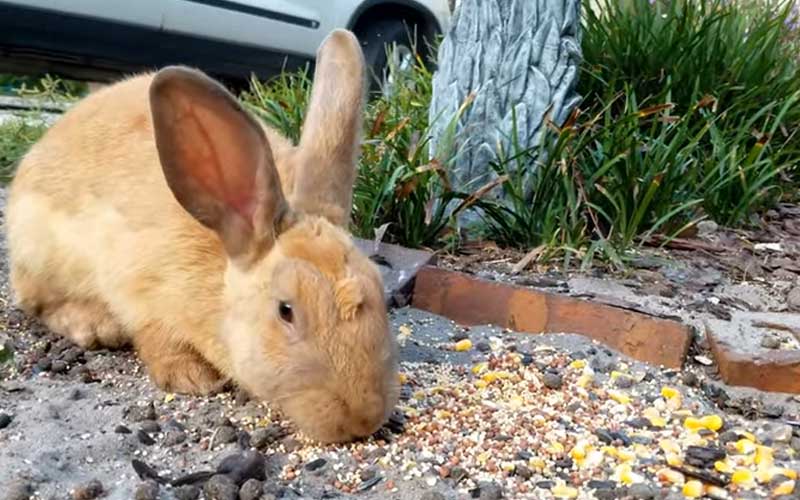
Rabbits generally don’t eat bird seed. Peanuts, sunflower seeds, and millet are favorite foods for rabbits. Rabbits prefer a diet of fresh vegetables, hay, and pellets. Bird seed isn’t a natural part of their diet, and feeding it to them may not provide the essential nutrients they need.
Rabbits, by nature, are herbivores. In the wild, their diet primarily consists of fresh greenery, grasses, and hay. These fiber-rich elements aid in maintaining proper dental health and digestive function.
While domesticated rabbits benefit from a balanced diet of hay, vegetables, and pellets, the question is whether do rabbits eat bird seed.
What are the Nutritional Benefits of Bird Seeds?
Here is a table detailing the nutritional values of various bird seeds:
| Bird Seed Type | Serving Size | Calories | Protein | Fat | Fiber | Carbohydrates |
|---|---|---|---|---|---|---|
| Sunflower Seeds | 1 cup | 814 | 29g | 71g | 12g | 20g |
| Pumpkin Seeds | 1 cup | 285 | 12g | 12g | 11g | 15g |
| Flaxseeds | 1 tablespoon | 55 | 2g | 4g | 3g | 4g |
| Chia Seeds | 1 ounce | 137 | 4g | 9g | 10g | 12g |
| Millet | 1 cup | 207 | 6g | 2g | 2g | 41g |
| Nyjer Seeds | 1 cup | 539 | 35g | 42g | 24g | 18g |
- Rich in Protein: Bird seeds are packed with protein, which is essential for feathered friends to maintain their energy levels and support muscle development.
- Healthy Fats: These seeds contain beneficial fats, such as omega-3 and omega-6 fatty acids, promoting overall avian health and contributing to feather quality.
- Abundant Fiber: Bird seeds are a good source of fiber, aiding in digestion for our feathered companions and promoting a healthy digestive system.
- Vitamins and Minerals: They provide a variety of essential vitamins and minerals, including vitamin E, B vitamins, iron, and zinc, contributing to the overall well-being and immune function of birds.
- Energy Boost: The carbohydrates in bird seeds offer a quick energy boost, vital for birds’ daily activities, especially for those who are active and fly frequently.
- Supports Metabolism: Bird seeds assist in maintaining a bird’s metabolic rate, helping them stay active, alert, and healthy.
- Promotes Feather Health: The nutritional content of bird seeds plays a crucial role in maintaining the vibrant colors and overall health of feathers.
- Hydration Support: Some seeds, like sunflower seeds, also contribute to hydration, ensuring birds receive both water and essential nutrients.
- Natural Antioxidants: Bird seeds contain antioxidants that help combat oxidative stress and support the immune system.
- Balanced Diet Component: When incorporated into a balanced diet, bird seeds contribute to the overall health and longevity of our feathered friends.
Examining Rabbit Diets in Detail
1. Hay: The Staple Diet
Rabbits thrive on a diet predominantly consisting of high-quality hay. Rich in fiber, hay aids in proper digestion and dental health. The misconception that rabbits solely subsist on hay has led to queries about alternative food sources, such as bird seed.
2. Fresh Vegetables: Nutritional Supplements
Supplementing the hay-based diet with fresh vegetables is a common practice among rabbit owners. Vegetables like leafy greens and carrots contribute essential vitamins and minerals. However, the occasional nibbling on bird seed might occur, especially if the seed is accessible.
3. Pellets: Balanced Nutrition
Commercial rabbit pellets offer a balanced mix of nutrients, ensuring that the dietary needs of these pets are met. While pellets are a key component, the question of whether rabbits eat bird seed arises due to their inquisitive nature and diverse food exploration.
Can Bunnies Eat Bird Seed? – Addressing The Concerns
Ever wondered if your fluffy companions, rabbits, have a taste for birdseed? Let’s explore this common curiosity. Will rabbits eat bird seed, or is it safe to share their feathery friends’ favorite snacks?
1. Nutritional Impact
Consuming bird seed occasionally can impact a rabbit’s nutrition. While rabbits benefit from a diet rich in hay, vegetables, and pellets, indulging in bird seed may upset this balance.
Excessive seed intake can lead to nutritional imbalances, potentially affecting their overall health. Pet owners need to monitor and control the amount of bird seed offered to ensure rabbits receive the necessary nutrients from their primary diet.
2. Seed Types and Safety
Rabbits may nibble on various seeds, and it’s crucial to distinguish the safe ones. Opt for seeds like sunflower and pumpkin, as these are generally safe for rabbits in moderation.
However, steer clear of seeds with additives or artificial preservatives, as these can harm your furry friend. Always check the ingredient list before introducing any new seeds into your rabbit’s diet.
Prioritizing natural, unprocessed seeds ensures a safer and healthier snacking experience for your inquisitive companion.
Bird Seed Potential Risks for Rabbits
Introducing bird seed into a rabbit’s diet may pose risks such as obesity, digestive issues, and nutrient imbalances. Rabbits have delicate digestive systems, and any deviation from their carefully curated diet can lead to health complications.
- Choking Danger: Bird seeds can be too large for rabbits, causing them to choke if they try to eat them whole.
- Digestive Issues: Rabbits may have difficulty digesting certain seeds, leading to gastrointestinal problems like bloating, gas, or even intestinal blockages.
- Toxicity: Some bird seeds contain ingredients that are toxic to rabbits, such as high levels of salt or certain additives that are harmful to their digestive systems.
- Nutritional Imbalance: Feeding rabbits’ bird seed exclusively can lead to nutritional deficiencies or imbalances, as they require a diet rich in hay, fresh vegetables, and specific rabbit pellets for optimal health.
- Fungal Contamination: Bird seeds can harbor fungal spores that, when ingested by rabbits, may lead to fungal infections or other health issues.
- Unwanted Pests: Storing bird seeds in areas accessible to rabbits may attract pests like insects or rodents, which can carry diseases harmful to rabbits.
- Behavioral Issues: Offering bird seed as a primary food source may lead to rabbits developing a preference for it over their balanced diet, leading to behavioral problems or refusal to eat healthier options.
- Cost Considerations: Continuously purchasing bird seed for rabbits can become expensive compared to providing a more suitable and cost-effective diet of hay and vegetables.
FAQ
Wild rabbits typically don’t eat birdseed. Wild rabbits primarily consume grass, plants, and vegetables. Their diet doesn’t include bird seed as it doesn’t provide the essential nutrients they need for a healthy life.
Rabbits don’t primarily eat bird seed. Their main diet consists of fresh hay, vegetables, and pellets. While they may nibble on bird seed if available, it doesn’t provide the essential nutrients they need for a balanced diet.
Rabbits should steer clear of certain seeds, like peanuts, sunflower seeds, and millet. Avoid feeding them avocados, apple seeds, and pits from fruits like peaches or plums. These seeds may contain substances harmful to rabbits.
It’s fine to give birds birdseed as an occasional treat. Providing seeds can be a nutritious and enjoyable snack for our feathered friends. Just make sure it’s a balanced mix, suitable for the specific bird species. Remember, moderation is key to keeping their diet diverse and healthy.