Can Rabbits Eat Persimmons? – What You Need to Know!
Rabbits can eat persimmons. These sweet fruits are safe and provide a tasty treat for your furry friend. Ensure to remove any seeds and offer small, bite-sized pieces to prevent choking.
Rabbits, known for their delicate digestive systems, often leave pet owners wondering about the suitability of various foods.
One such question that frequently arises is, can rabbits eat persimmons? Today, we’ll learn the intricacies of introducing persimmons into your rabbit’s diet. That addresses key concerns and provides valuable insights.
What are Persimmons?

Persimmons are sweet, flavorful fruits that come in various shapes and colors. These vibrant gems belong to the berry family and are known for their succulent texture and rich taste.
Imagine a delightful combination of honey and mango with a hint of apricot – that’s the essence of a ripe persimmon.
These fruits can be either astringent or non-astringent, meaning some varieties are mouth-puckering until fully ripened, while others are sweet even when firm.
Popular types include Fuyu and Hachiya. Persimmons are packed with vitamins, particularly A and C, offering both a tasty treat and a nutritional boost.
Add them to salads, and desserts, or enjoy them fresh – persimmons are a versatile and delightful addition to your fruit repertoire.
Can Rabbits Safely Consume Persimmons?
Rabbits can safely eat persimmons. These fruity treats are not only safe but also a delightful addition to your rabbit’s diet. Ensure you remove the seeds and provide small, bite-sized pieces to prevent any choking hazards.
Persimmons offer a tasty variety, packed with essential nutrients such as vitamins A and C. Introduce them gradually to gauge your rabbit’s response and avoid overfeeding, as moderation is key.
Nutritional Benefits of Persimmons for Rabbits
1. Rich in Vitamins
Persimmons are a vitamin-packed delight for your furry friend. Bursting with vitamins A, C, and E, these fruits actively bolster your rabbit’s immune system and enhance the glossy shine of their coat.
A daily dose introduces essential nutrients that contribute to your rabbit’s overall health and vitality. Including persimmons in their diet ensures they receive a natural, tasty source of vital vitamins, promoting a happy and healthy bunny lifestyle.
2. Dietary Fiber
Ensure your rabbit’s digestive system stays in top-notch condition by incorporating persimmons into their diet. The dietary fiber in persimmons acts like a broom for their intestines, keeping everything moving smoothly.
This fiber aids in preventing constipation and promotes a healthy gut, contributing to your furry friend’s overall well-being.
3. Antioxidant Properties
Persimmons offer a natural antioxidant punch that actively fights harmful substances in your rabbit’s body. These antioxidants act as protective shields, warding off potential health threats and promoting your furry friend’s overall well-being.
By including persimmons in their diet, you’re giving your rabbit a delicious and nutritious defense against oxidative stress, contributing to a longer, healthier life.
Moderation is Key
Ensure your bunny’s well-being by practicing moderation when incorporating persimmons into their diet. Too much of a good thing can lead to potential health issues.
Here’s how to strike the right balance:
- Occasional Treats: Treat persimmons as a special indulgence rather than a daily occurrence.
- Watch Portion Sizes: Keep portions small to prevent overconsumption and weight gain.
- Observe Reactions: Pay attention to your rabbit’s behavior after trying persimmons, looking out for any signs of discomfort.
- Diversify Treats: Include a variety of treats alongside persimmons to maintain a balanced diet.
How to Introduce Persimmons to Rabbits?
Preparation Steps:
- Peel the Persimmon: Gently remove the outer skin to eliminate any potential pesticides or contaminants. This step ensures that your rabbit enjoys the sweet goodness without any unnecessary risks.
- Remove Seeds: Take a moment to carefully extract all seeds from the persimmon. This not only prevents potential choking hazards but also ensures a smooth and enjoyable snacking experience for your furry friend.
- Cut into Small Pieces: Slice the persimmon into bite-sized, rabbit-friendly portions. This makes it easier for your pet to nibble on the treat without any struggle, promoting a positive and mess-free interaction with this delightful fruit.
Feeding Guidelines:
- Start Slow: Introduce persimmons gradually to your rabbit’s diet. Begin with small amounts to gauge their reaction.
- Monitor Behavior: Keep a close eye on your rabbit’s behavior after introducing persimmons. Watch for any signs of discomfort, allergies, or digestive issues.
- Limit Quantity: Control the portion size. Offer persimmons in small pieces, ensuring they are a supplement rather than the main food source.
- Adjust Based on Response: If your rabbit shows positive responses without any adverse effects, you can slowly increase the amount. However, always prioritize moderation to prevent potential health issues.
Risks Associated with Feeding Persimmons
Feeding persimmons to your rabbit can be risky if not done with caution. It’s crucial to understand the potential hazards associated with this seemingly innocent treatment.
Here’s what you need to be aware of:
- Digestive Discomfort: Persimmons contain high sugar levels, which, when consumed in excess, can lead to digestive issues for rabbits. This may manifest as diarrhea or stomach upset.
- Sugar Overload: Rabbits are sensitive to sugar, and persimmons, being naturally sweet, can contribute to an overload. This may result in weight gain, dental problems, or even obesity.
- Allergic Reactions: While rare, rabbits can develop allergies to certain foods. Introducing persimmons may trigger adverse reactions such as lethargy or changes in stool.
- Seed Hazard: Persimmon seeds contain compounds that can be harmful. Ingesting these seeds may pose a choking hazard or lead to internal issues.
Alternatives for Rabbits: Diversifying Their Diet
As responsible rabbit owners, it’s crucial to provide a varied diet that meets their nutritional needs. Although persimmons can be enjoyed on occasion, it is best to look into other possibilities. That ensures a balanced and delightful culinary experience for your furry friends.
Consider These Rabbit-Friendly Alternatives:
- Apples: Slice apples into bite-sized pieces, removing seeds and the core. They’re a crunchy and safe option for rabbits.
- Bananas: Rich in potassium, bananas are a tasty and easily digestible choice. Offer small portions to avoid excess sugar intake.
- Berries: Blueberries and strawberries are packed with antioxidants and can be a delightful addition in moderation.
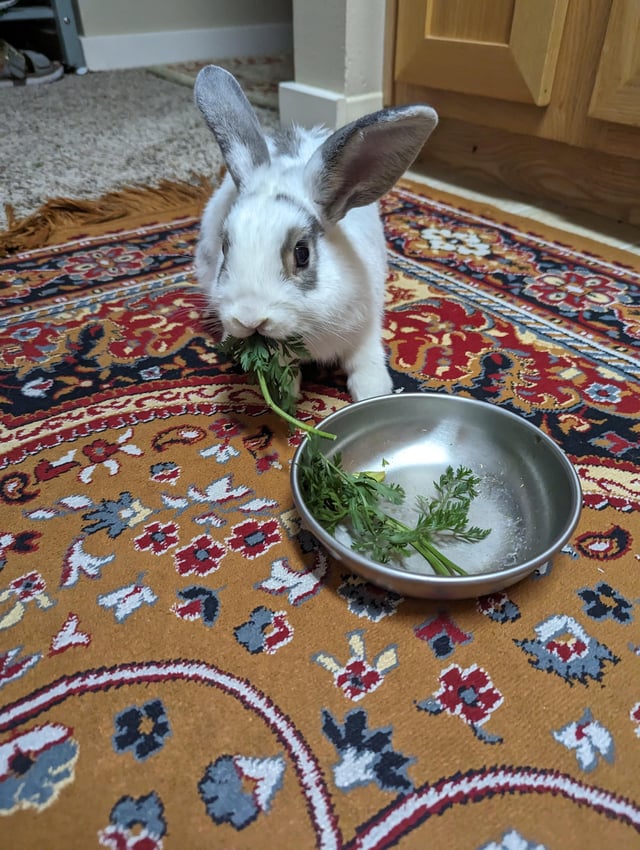
- Leafy Greens: Incorporate a variety of fresh greens like kale, parsley, and cilantro into your rabbit’s diet for essential vitamins.
- Carrots: A classic favorite, carrots provide both crunch and nutrition. Ensure they are given in moderation due to their natural sugar content.
FAQ
Rabbits should not eat persimmon seeds. These seeds can be harmful to them. Stick to feeding your bunny the flesh of the persimmon in small, bite-sized pieces. This ensures a safe and enjoyable treat for your furry friend without any potential risks from the seeds.
All kinds of persimmons are safe for rabbits. They can munch on both Fuyu and Hachiya persimmons without any worries. Just remove the seeds and offer them small, bite-sized pieces. Persimmons provide a tasty and nutritious treat for your furry friend, adding variety to their diet.
Feed your rabbit persimmons occasionally, about 1-2 times per week. Persimmons are a wonderful treat, but too many can upset your bunny’s stomach. Offer them in small, bite-sized pieces, removing any seeds or stems.
Feeding rabbits unripe persimmons is not advisable. Unripe persimmons contain tannins that can be harmful to rabbits, causing digestive issues. It’s safer to offer ripe persimmons to your rabbits, ensuring a sweeter and safer treat.