Can Rabbits Eat Microgreens? – A Guide to Safely Feeding!
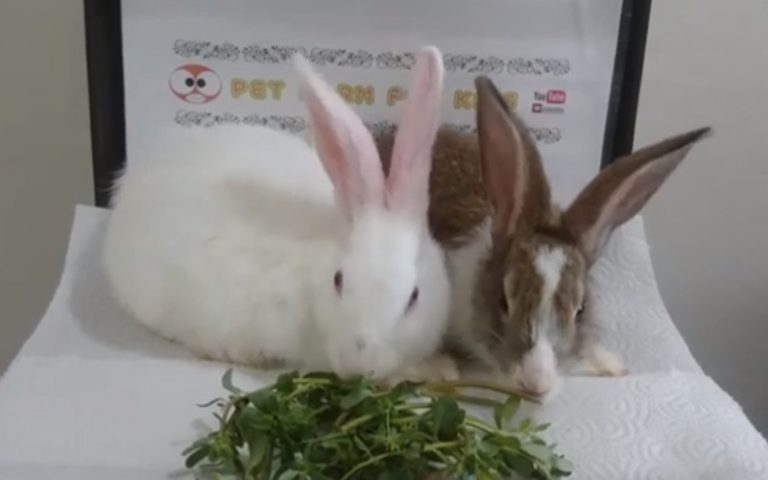
Rabbits can eat microgreens. Microgreens are safe for rabbits and can be a nutritious addition to their diet. However, they should be given in moderation alongside their regular food to prevent digestive issues. Always ensure the microgreens are fresh and free from any pesticides or contaminants before feeding them to your rabbit.
What Are Microgreens?

Microgreens are tiny, nutrient-packed greens harvested at an early stage of growth, bursting with flavor and health benefits. These minuscule powerhouses, often resembling sprouts, are cultivated from various vegetable and herb seeds.
Popular varieties include broccoli, kale, and radish microgreens. Packed with vitamins, minerals, and antioxidants, they amplify nutritional value in a compact form. These vibrant greens not only elevate the visual appeal of dishes but also deliver a concentrated burst of fresh, intense flavors.
Easy to grow at home or find in local markets, microgreens offer a simple way to enhance both the taste and nutritional profile of your meals.
Are Microgreens Safe for Rabbits?
Microgreens are safe for rabbits to eat. These tiny, nutrient-packed greens are a healthy addition to a rabbit’s diet. They provide essential vitamins and minerals, promoting overall well-being.
It’s crucial to introduce microgreens gradually, starting with small amounts to ensure your rabbit’s digestive system adjusts well. Include a variety of microgreens such as kale, broccoli, and radish, but avoid toxic ones like nightshades.
Before introducing microgreens into your rabbit’s diet, consider factors such as:
- Type of Microgreen: Not all microgreens are created equal. Some, like broccoli and kale microgreens, can be suitable for rabbits, while others may pose risks.
- Preparation Methods: The way microgreens are prepared significantly impacts their safety for rabbits. Raw, unwashed microgreens may harbor contaminants, so thorough washing is crucial.
Microgreens Nutritional Value
Microgreens are not just about taste; they’re a nutritional goldmine. These young greens, harvested at an early stage, are loaded with essential vitamins and minerals that your body craves.
Vitamins Galore
- Vitamin C Boost: Microgreens, like broccoli and radish microgreens, are brimming with vitamin C, known for its immune-boosting properties.
- Vitamin K Kick: Enjoy a surge of vitamin K from microgreens like kale, contributing to bone health and blood clotting.
- Vitamin A Marvel: Carrot microgreens take the lead, providing an abundance of vitamin A for improved vision and skin health.
Minerals to Thrive
- Iron Infusion: Incorporate beet microgreens into your diet for a natural iron boost, vital for carrying oxygen through the body.
- Calcium Cornucopia: Broccoli microgreens offer a calcium-rich alternative, supporting bone strength and development.
Antioxidant Powerhouse
Microgreens are not only nutrient-packed but also loaded with antioxidants. These tiny greens combat oxidative stress, protecting your cells from damage and promoting overall well-being.
A Table of Microgreens Nutritional Value
| Microgreen Type | Vitamin C (mg per 100g) | Vitamin K (mcg per 100g) | Vitamin A (IU per 100g) | Iron (mg per 100g) | Calcium (mg per 100g) |
|---|---|---|---|---|---|
| Broccoli | 89.2 | 101.6 | 6230 | 0.73 | 47 |
| Radish | 25.3 | 45.0 | 160 | 0.28 | 25 |
| Kale | 120 | 547.0 | 4812 | 1.47 | 150 |
| Carrot | 6.0 | 13.2 | 16706 | 0.6 | 41 |
| Beet | 1.6 | 0.2 | 33 | 0.8 | 16 |
| Spinach | 47.0 | 482.9 | 4690 | 2.7 | 99 |
Potential Health Benefits of Microgreens for Rabbits
Microgreens offer several health benefits for rabbits. These tiny, young plants are packed with essential nutrients that contribute to your rabbit’s overall well-being.
- Nutrient Powerhouse: Microgreens are rich in vitamins and minerals, providing a nutritional boost for your rabbit. These tiny greens can include vitamins A, C, and K, as well as minerals like potassium and iron.
- Digestive Health: The fiber content in microgreens supports healthy digestion in rabbits. It aids in preventing issues like constipation and ensures a smooth digestive process.
- Immune System Support: The vitamins and antioxidants found in microgreens can help strengthen your rabbit’s immune system. This added defense can contribute to better overall health and a lower risk of illnesses.
- Hydration Assistance: Some microgreens, such as alfalfa, have a high water content, aiding in hydration. This is particularly beneficial for rabbits, as proper hydration is crucial for their well-being.
- Dental Health: Chewing on microgreens can be a good way for rabbits to naturally wear down their teeth. This helps prevent dental issues, which are common in rabbits and can impact their ability to eat.
- Weight Management: Microgreens are low in calories but high in nutrients, making them a healthy addition to a rabbit’s diet. This can be especially beneficial for rabbits that need to manage their weight.
- Variety in Diet: Introducing microgreens adds variety to your rabbit’s diet, making mealtime more interesting. This variety can encourage healthy eating habits and prevent boredom.
Rabbit-Friendly Microgreens
Certain microgreens stand out as safe and nutritious options for rabbits:
1. Parsley Microgreens

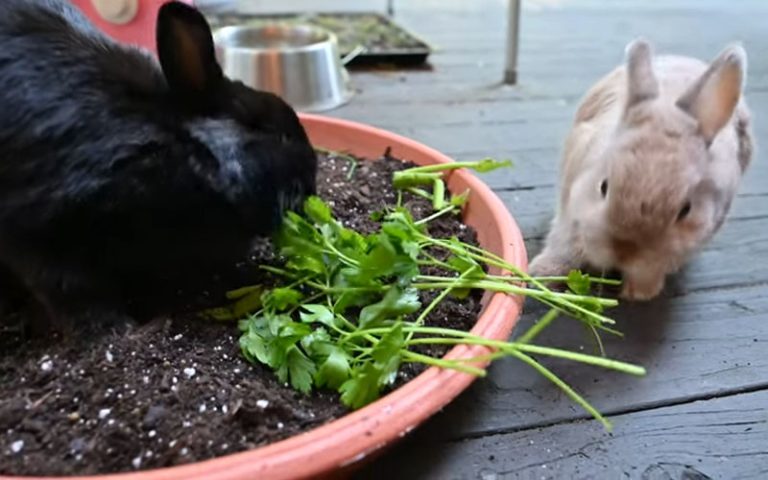
Parsley microgreens are a fantastic addition to your rabbit’s diet. Packed with vital vitamins, these tiny greens offer a flavorful boost while promoting your furry friend’s well-being. Just sprinkle a handful in their bowl for a nutritious treat.
Your rabbit will love the freshness, and you’ll be ensuring they get the essential nutrients they need to thrive. Keep it simple, keep it green, and keep your rabbit happy with parsley microgreens.
2. Cilantro Microgreens
Cilantro microgreens are a fantastic addition to your rabbit’s diet. Packed with essential nutrients, these tiny greens offer a burst of freshness that rabbits love. Incorporating cilantro microgreens into their meals not only adds flavor but also contributes to their overall well-being.
Ensure to introduce them in moderation, observing your rabbit’s response closely. These microgreens, when part of a balanced diet, provide a tasty and nutritious treat for your pet.
3. Carrot Microgreens
Carrot microgreens are excellent for rabbits. They’re packed with essential nutrients, offering a healthy boost to your furry friend’s diet. These young carrot plants provide a fresh and flavorful snack that rabbits love.
Just ensure to wash them thoroughly before serving to remove any dirt or contaminants. Introducing carrot microgreens in moderation can provide your rabbit with a tasty and nutritious treat that supports their overall well-being.
Microgreens Serving Recommendations to Rabbits
Here are some simple recommendations for serving microgreens to rabbits:
- Introduce Gradually: Start by offering a small amount of microgreens to your rabbit to see if they like them.
- Fresh is Best: Provide fresh microgreens, as they contain more nutrients. Avoid wilted or spoiled ones.
- Mix with Hay: Combine microgreens with hay to add variety to your rabbit’s diet and promote dental health.
- Watch for Allergies: Keep an eye on your rabbit for any signs of allergies or sensitivities when introducing new foods.
- Wash Thoroughly: Wash microgreens thoroughly before serving to remove any pesticides or contaminants.
- Limit Quantity: While microgreens are nutritious, they should be given in moderation. Too much can upset your rabbit’s stomach.
- Monitor Digestion: Pay attention to your rabbit’s digestion after introducing microgreens. If any issues arise, consult with a vet.
- Offer Variety: Rotate different types of microgreens to provide a range of nutrients and flavors.
- Avoid Toxic Varieties: Some plants are toxic to rabbits. Ensure the microgreens you offer are safe and non-toxic.
Potential Risks of Microgreens for Rabbits
Eating microgreens might pose risks to rabbits. These tiny plants, while packed with nutrients, can be harmful to our furry friends if not given in moderation.
- Choking Hazard: Microgreens are small and can pose a choking hazard for rabbits. It’s crucial to cut them into smaller, manageable pieces to prevent any potential choking incidents.
- Digestive Issues: Rabbits have sensitive digestive systems, and consuming excessive amounts of microgreens may lead to digestive problems such as diarrhea or stomach upset. Introduce them gradually to allow the digestive system to adapt.
- Toxic Varieties: Not all microgreens are safe for rabbits. Some varieties may be toxic to them. Make sure to research and select only rabbit-safe microgreens to avoid any harmful effects.
- Pesticide Residues: If microgreens are not organically grown or properly washed, they may contain pesticide residues. Rabbits are particularly sensitive to pesticides, and exposure could lead to health issues. Always ensure that microgreens are free from harmful chemicals.
- Nutrient Imbalance: While microgreens are nutrient-dense, an excessive amount might lead to an imbalance in a rabbit’s diet. It’s crucial to provide a well-rounded diet that includes a variety of rabbit-safe vegetables and hay.
- Obesity Risk: Overfeeding rabbits with calorie-dense microgreens may contribute to obesity. Obesity in rabbits can lead to various health problems, including joint issues and a decreased lifespan.
FAQ
Rabbits can munch on various sprouts, including broccoli, alfalfa, and clover sprouts. These fresh shoots provide essential nutrients and add a tasty crunch to their diet. Just ensure that the sprouts are free from pesticides and thoroughly washed before offering them to your furry friend.
Many animals enjoy munching on microgreens. Creatures like rabbits, guinea pigs, and chickens happily nibble on these tiny plants. Birds, such as finches and canaries, also find them tasty. Even some larger animals like goats and sheep have been known to enjoy a bite of microgreens.
Rabbits should not eat microgreen seeds. These tiny seeds can be difficult for rabbits to digest and may cause digestive issues.
Rabbits can enjoy microgreens daily. These tiny, nutrient-packed greens are a safe and healthy addition to their diet. Feeding your bunny microgreens in moderation provides essential vitamins and minerals.